From ashes to dinosaurs
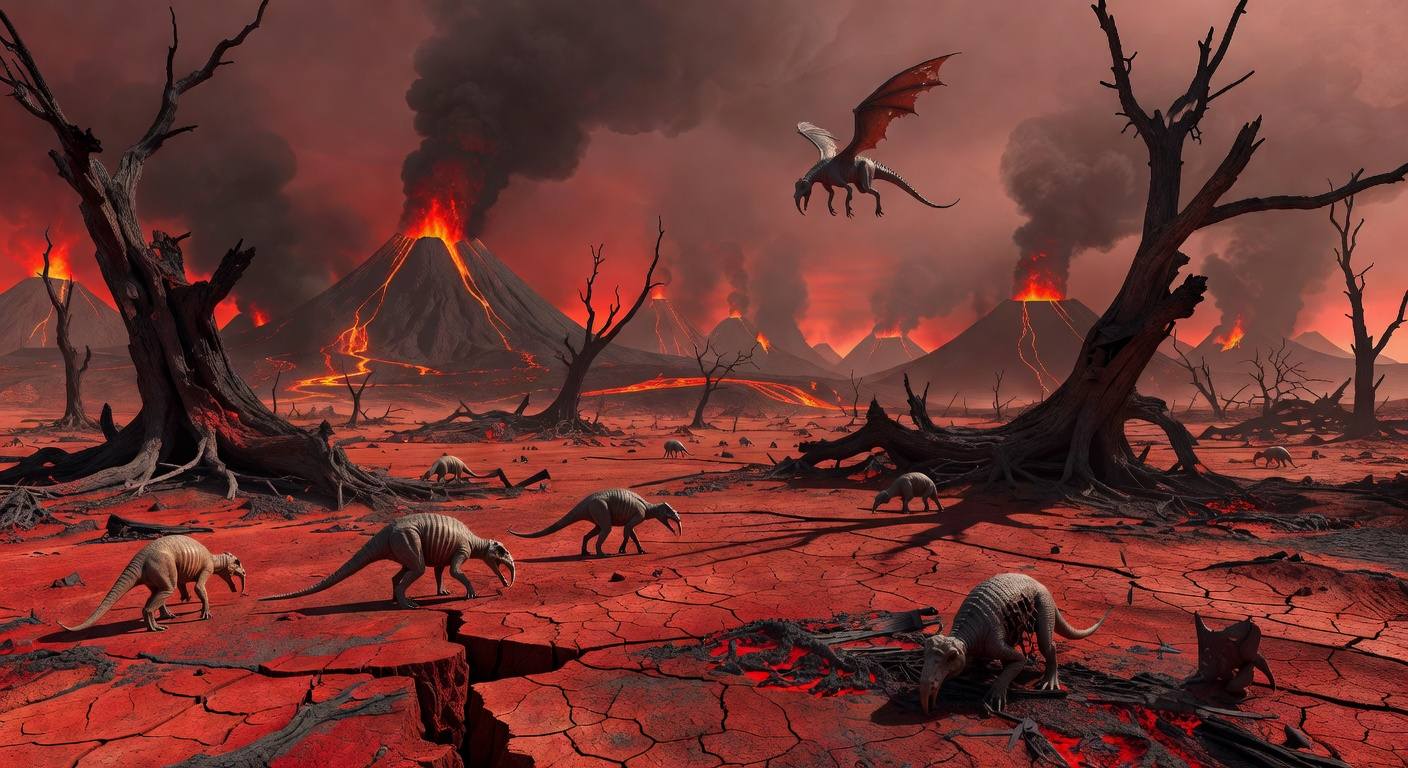
After the catastrophic End-Permian extinction, the world was a very different place. Ecosystems were simplified, biodiversity was at an all-time low, and the climate remained harsh and unstable for millions of years. The early Triassic is sometimes called the “disaster interval” because life was still struggling just to survive.
The Slow Rebuilding
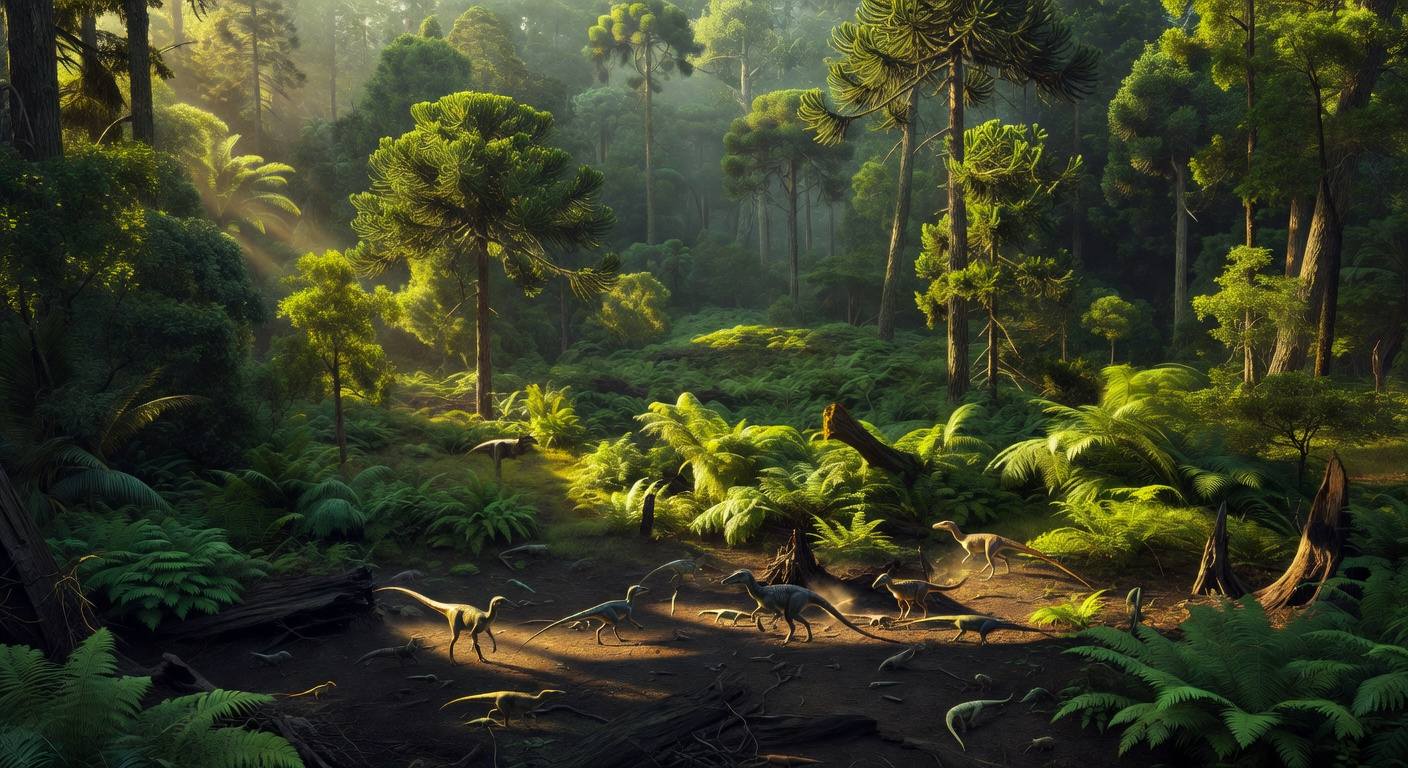
Gradually, new groups of animals and plants began to diversify. In the oceans, new marine reptiles appeared. On land, archosaurs (the group that includes crocodiles and dinosaurs) became increasingly dominant. By the middle to late Triassic, the first true dinosaurs had emerged — small, bipedal creatures that would eventually give rise to the giants of the Jurassic and Cretaceous.
The recovery was slow and uneven, but it laid the foundation for the Age of Dinosaurs that would follow.
The Triassic recovery shows how resilient life can be — but also how long it can take for complex ecosystems to rebuild after a near-total collapse. The dinosaurs that would later dominate the planet got their start in this difficult, recovering world.
- Recovery from the Permian extinction took longer than from any other mass extinction in Earth’s history.
- The first dinosaurs were small, bipedal, and lived alongside many other archosaurs.
- Early Triassic ecosystems were dominated by a few hardy survivor species for a long time.
- The first flying vertebrates (pterosaurs) appeared during the Triassic recovery.
- Many modern groups of reptiles and amphibians trace their origins to this difficult period.
- By the end of the Triassic, the stage was set for the 165-million-year reign of the dinosaurs.
The world after the end
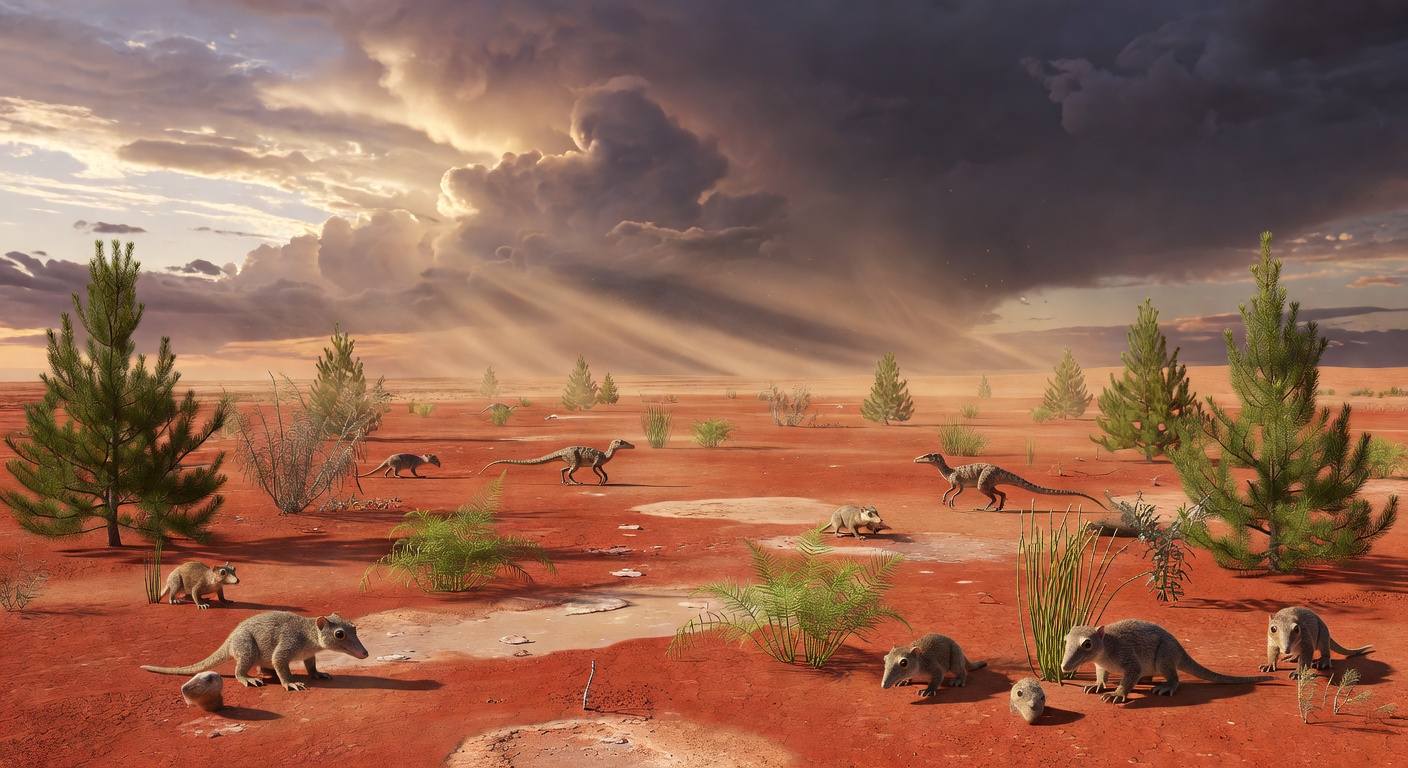
A reconstruction of the harsh, recovering world of the Early Triassic as life slowly began to rebuild after the Great Dying.
Gallery
Triassic Recovery Timeline
| Time | Stage |
|---|---|
| ~252–250 million years ago | Disaster interval |
| ~245 million years ago | First recovery |
| ~230 million years ago | First dinosaurs |
| ~201 million years ago | Triassic ends |
Why the Triassic Recovery Matters
The Triassic recovery shows how resilient life can be — but also how long it can take for complex ecosystems to rebuild after a near-total collapse. The dinosaurs that would later dominate the planet got their start in this difficult, recovering world. Without the survivors of the Great Dying, the Age of Dinosaurs might never have happened.