Earth's most hostile beginning
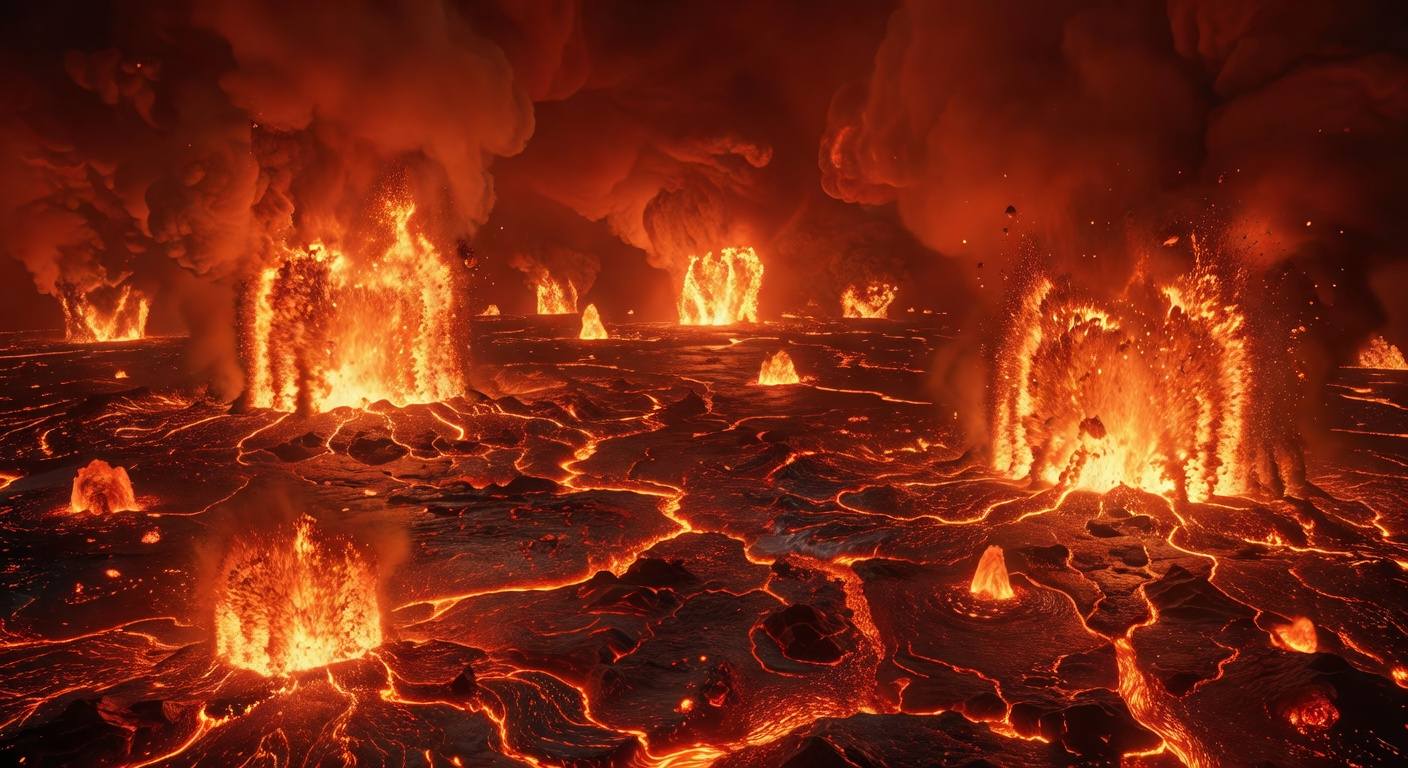
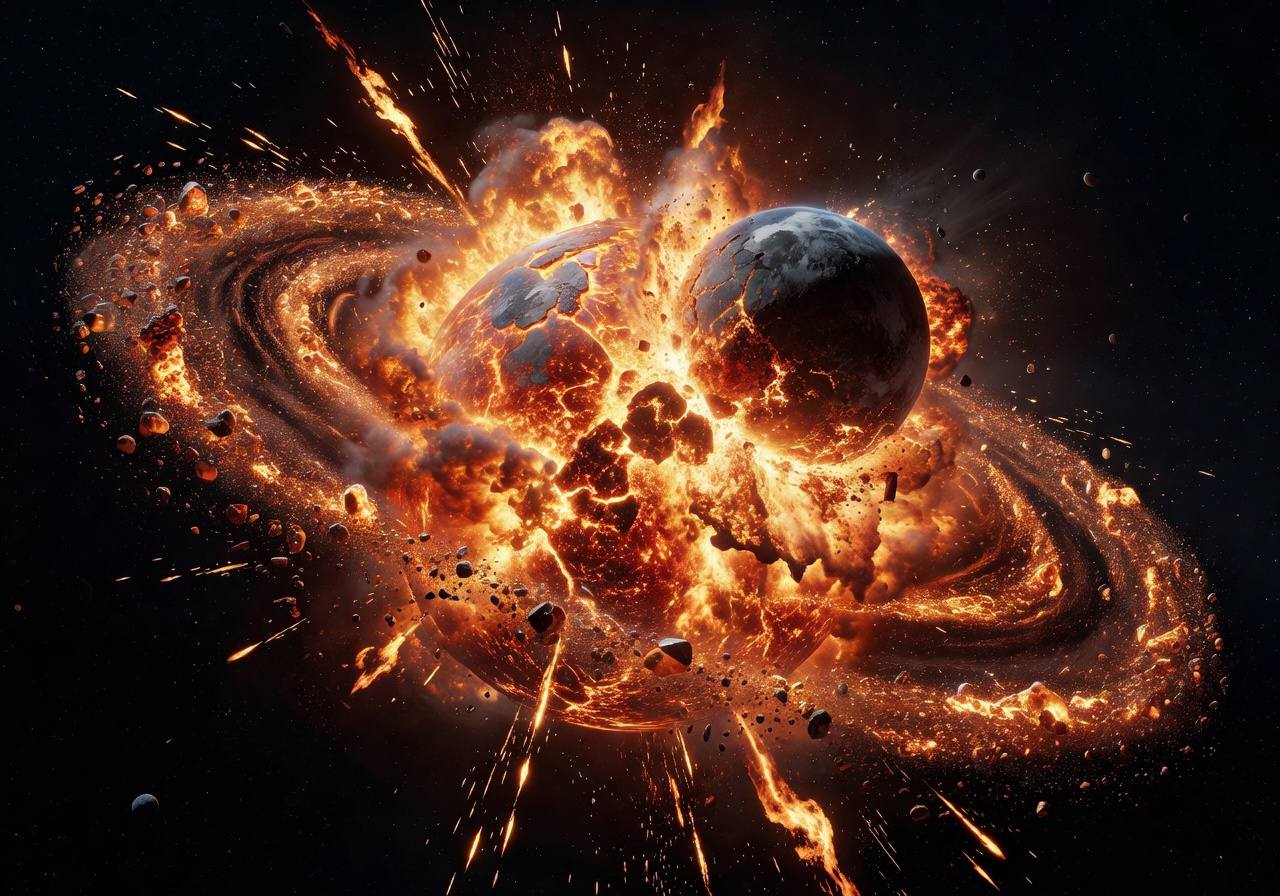
When Earth first formed about 4.54 billion years ago, it was nothing like the planet we know. The surface was a churning ocean of molten rock. The sky was thick with steam and carbon dioxide. Giant asteroids and planetesimals were still slamming into it constantly, sometimes with enough force to vaporize any oceans that had started to form.
A World in Chaos
This era is called the Hadean, named after Hades, the Greek underworld. For roughly 500 million years, Earth was a nightmare of fire, steam, and rock. The atmosphere was toxic and crushing. The crust was unstable and constantly being remade by impacts and volcanic activity.
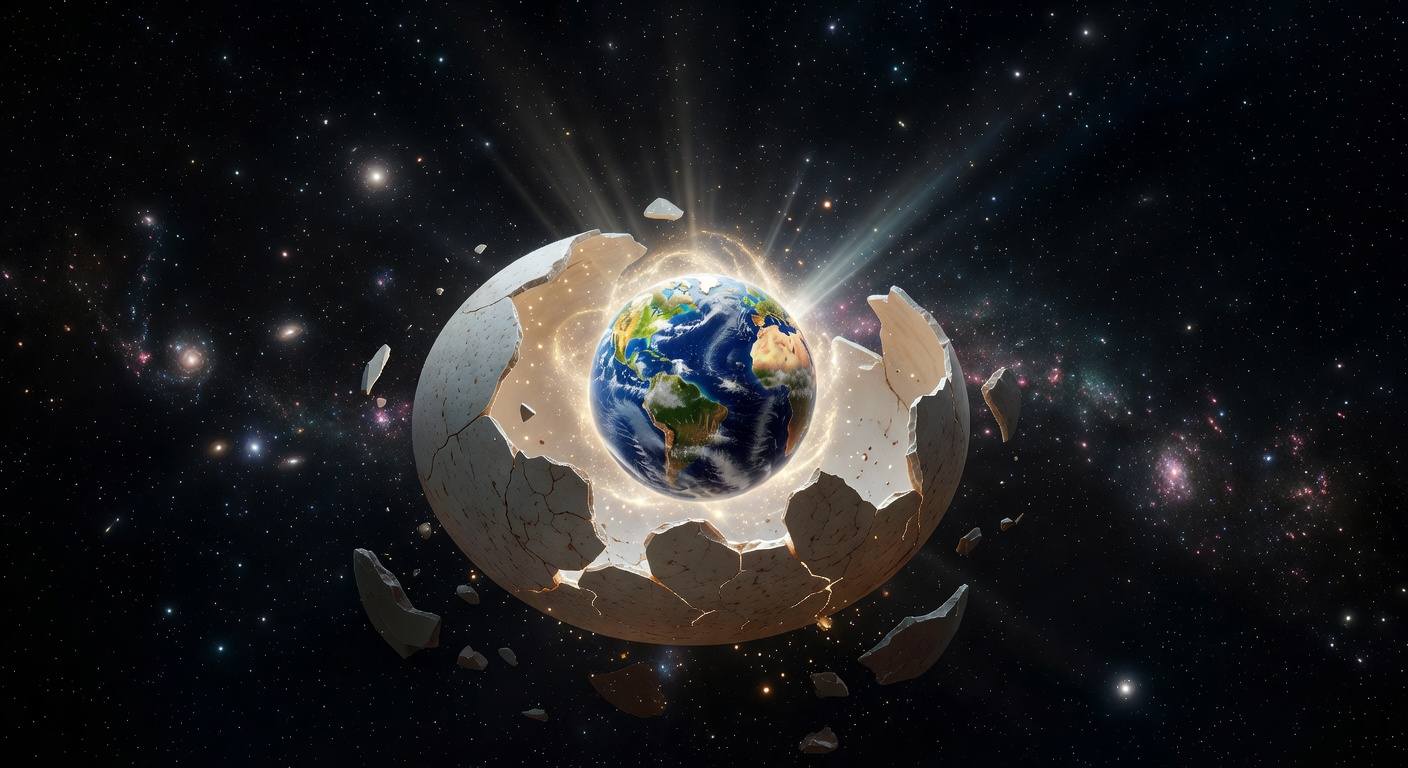
Yet even in this chaos, the foundations of a habitable world were slowly being laid. Water was being delivered by icy comets and asteroids. The planet was cooling, however slowly. And deep in the mantle, processes were beginning that would one day allow continents and oceans to stabilize.
The Hadean Earth was not a dead rock waiting for life. It was a violently active planet whose extreme conditions were necessary steps on the long road toward the world that could eventually support complex biology.
- No rocks from the Hadean survive on Earth’s surface today — the oldest known rocks are about 4.0 billion years old.
- The name “Hadean” was chosen because scientists once thought this period was completely hellish and inhospitable.
- Some of the largest impacts during this time may have temporarily sterilized the entire surface.
- The Moon was much closer to Earth during the Hadean, creating massive tides in the magma oceans.
- Earth was spinning much faster back then — a day may have lasted only 6 to 8 hours.
- The heavy bombardment phase that defined much of the Hadean finally began to slow around 4.0 billion years ago.
A world of fire
A reconstruction of the Hadean surface — glowing magma oceans, a thick steam atmosphere, and the relentless rain of impacts that defined Earth’s first half-billion years.
Gallery
Hadean Earth Timeline
| Time | Event |
|---|---|
| ~4.54 billion years ago | Earth forms |
| ~4.5 billion years ago | Theia impact |
| 4.5 – 4.0 billion years ago | Heavy bombardment |
| ~4.0 billion years ago | Hadean ends |
Why the Hadean Still Matters
This was the furnace. The extreme heat, the constant resetting of the surface, and the delivery of water and organic materials during this time laid the groundwork for everything that came later. Without the Hadean, there would be no oceans, no continents, and no life.