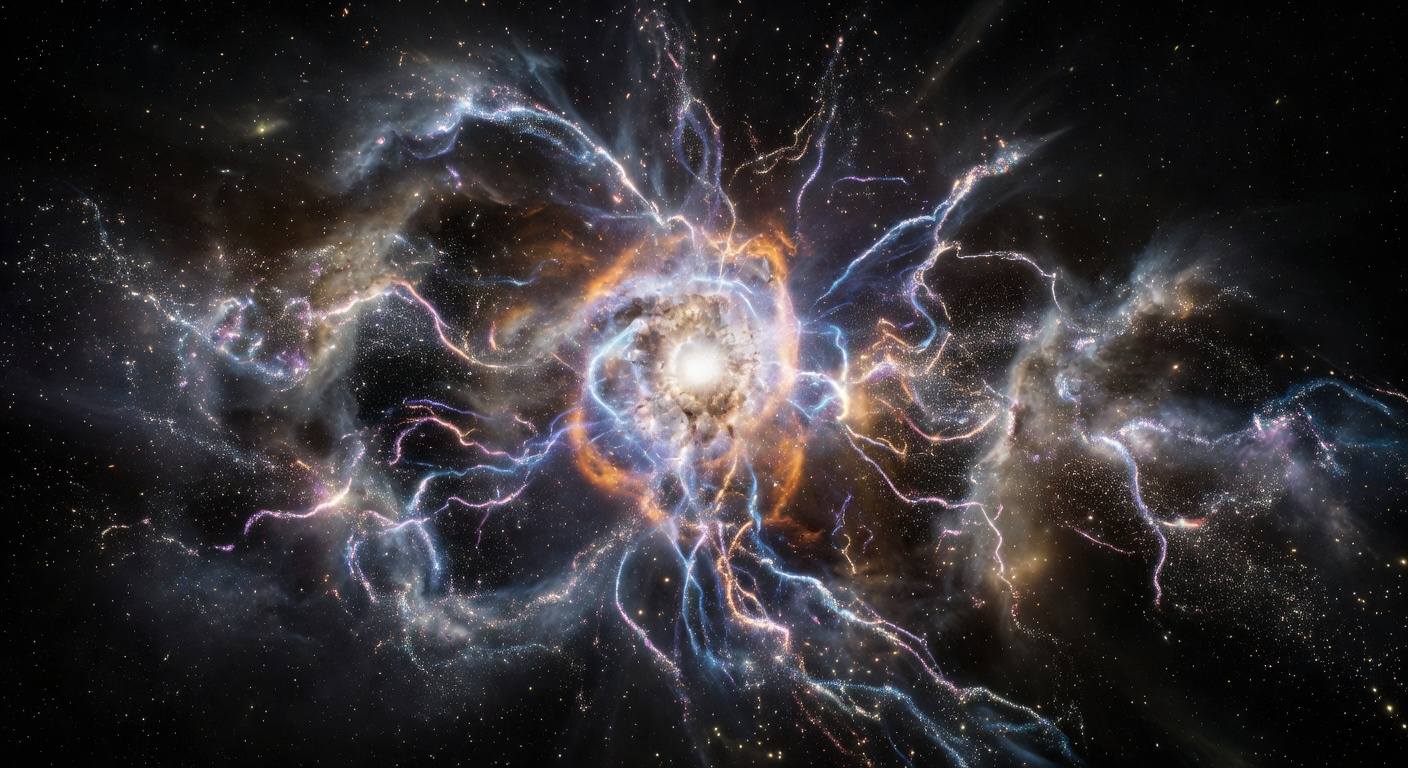
From the Big Bang to the birth of Earth — the 13.8-billion-year story of how the universe became capable of life, consciousness, and wonder.
The instant space, time, and all matter came into existence.
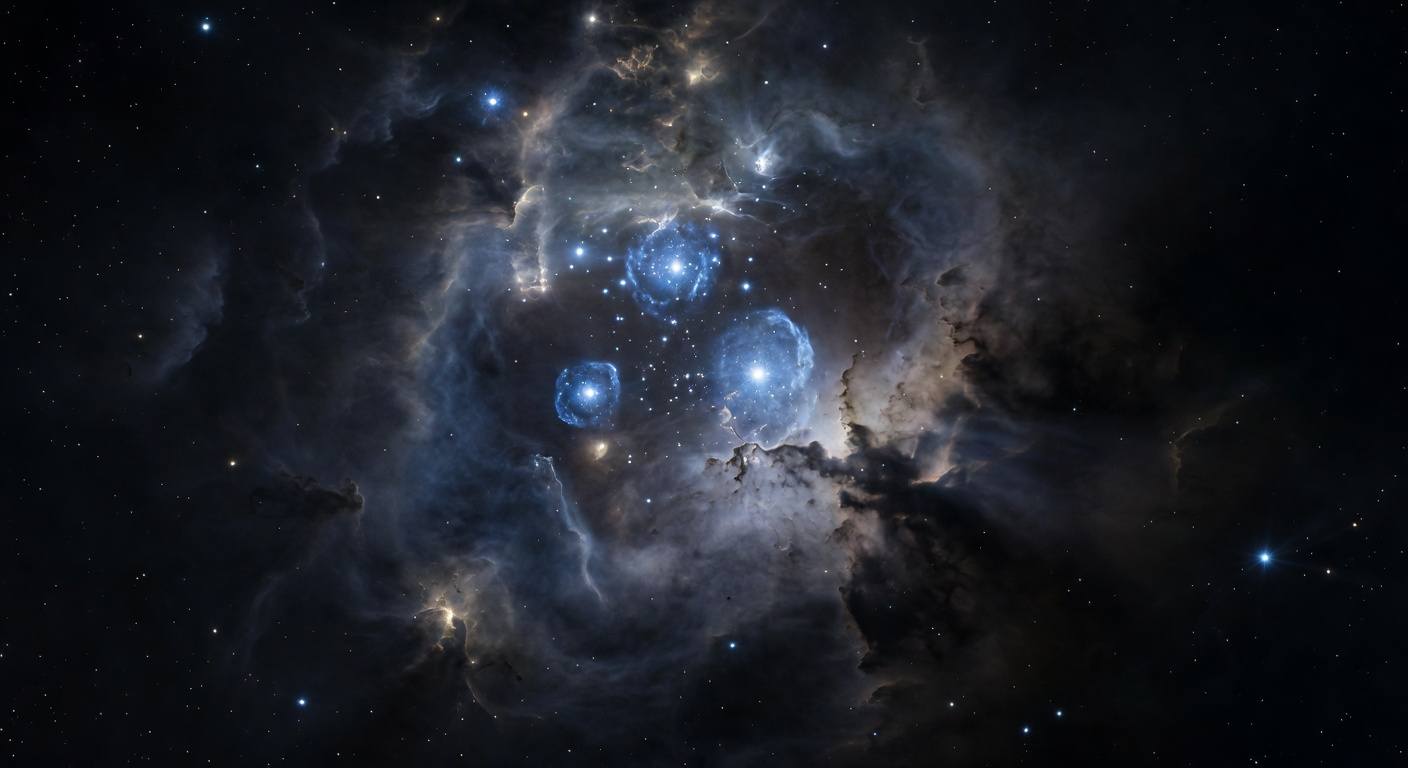
The cosmic dawn when the first stars ignited in the darkness.
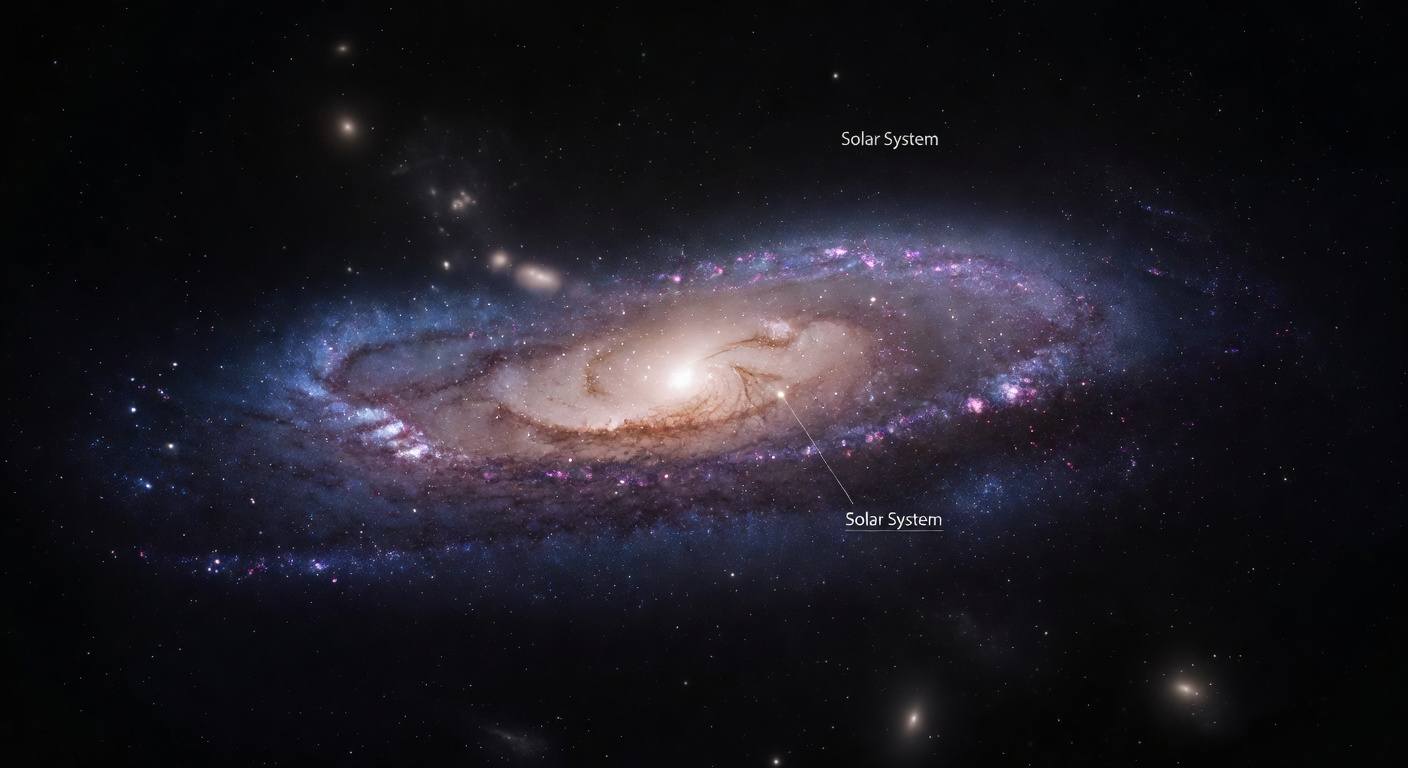
Our home galaxy takes its majestic spiral form.
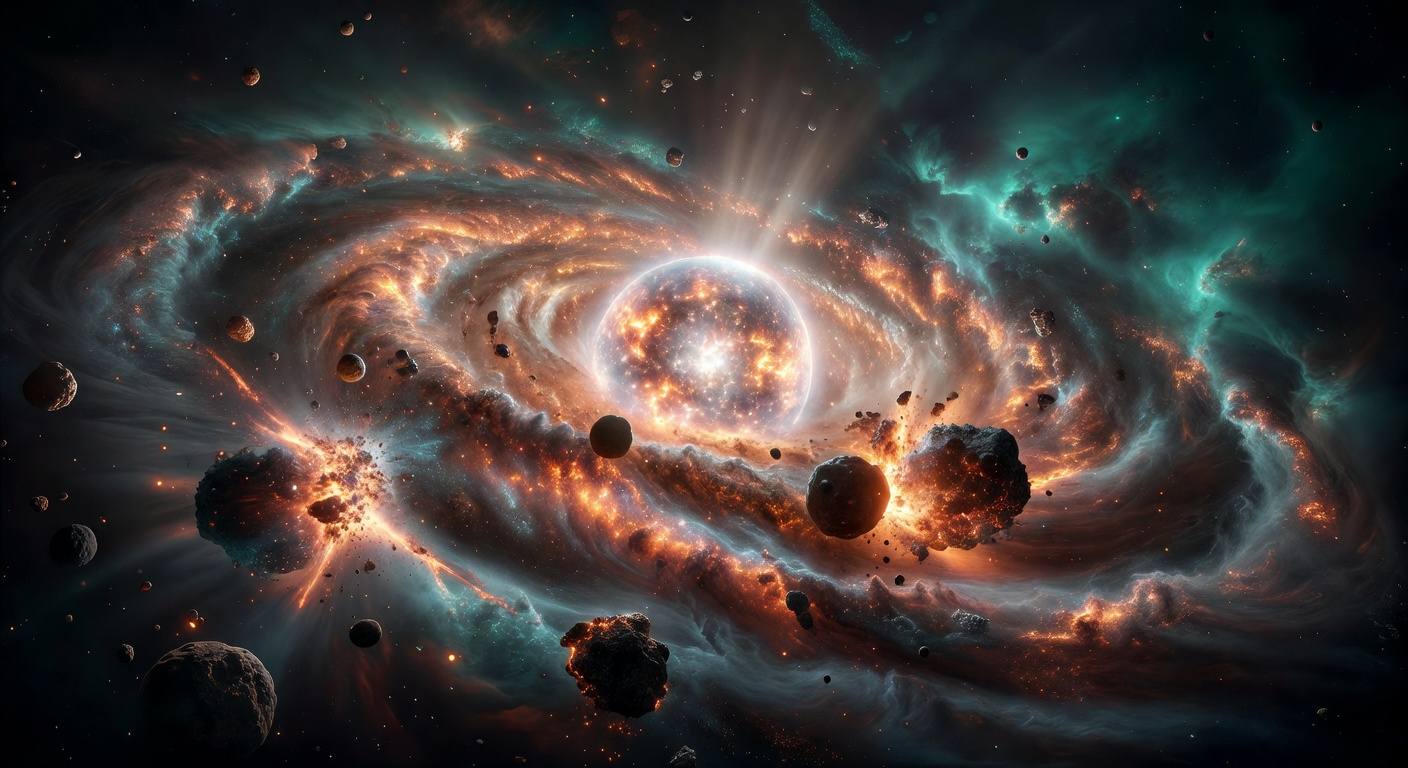
A collapsing cloud gives birth to our Sun and planets.
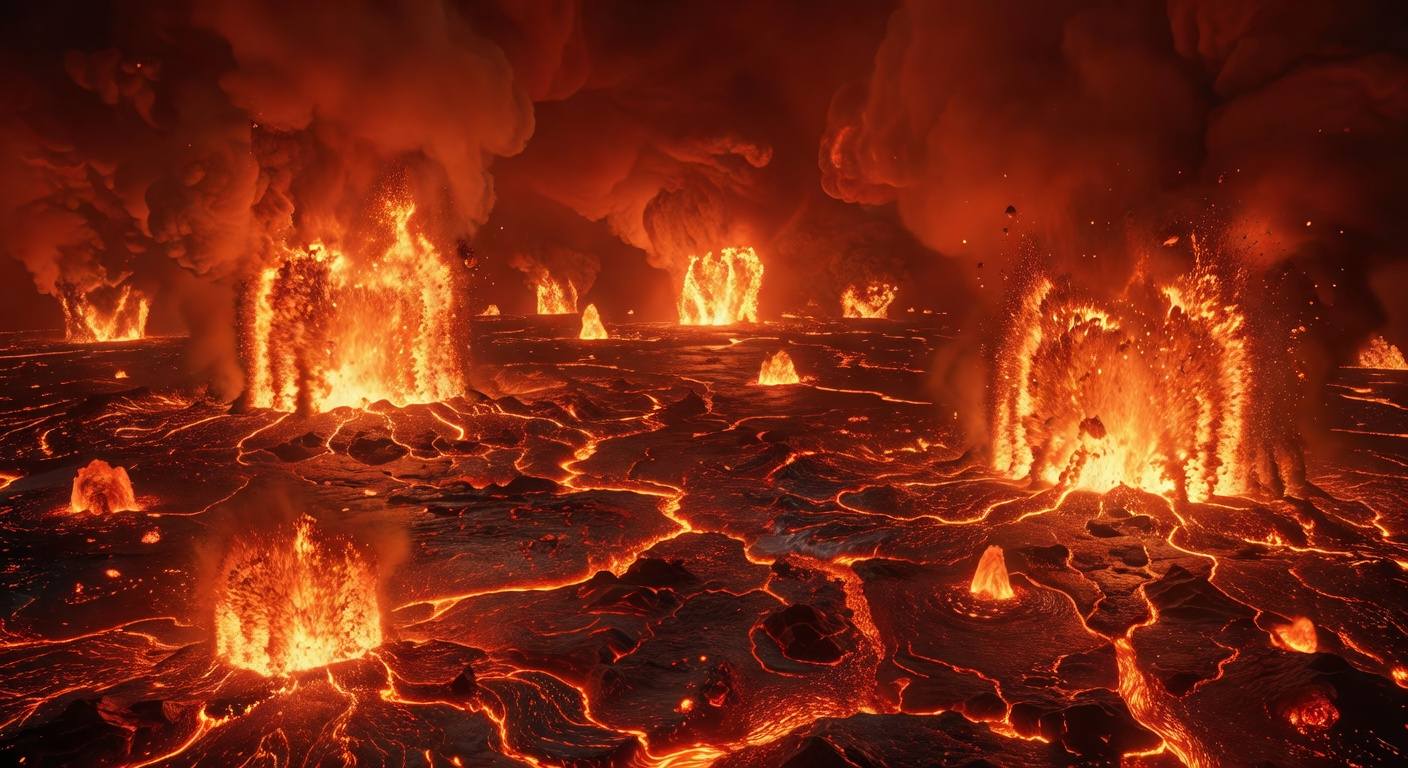
A molten, hellish world of constant impacts and lava oceans.
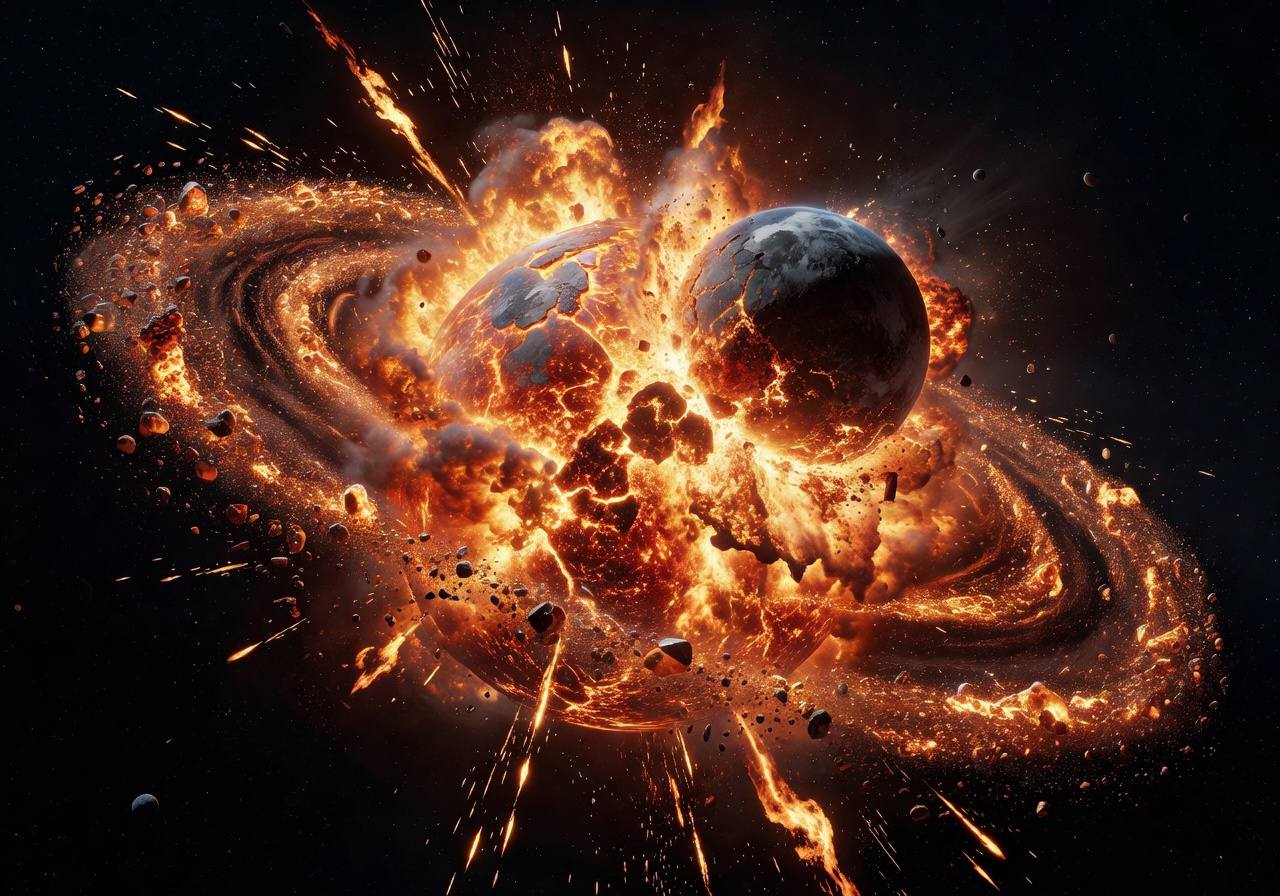
A cataclysmic collision that gave Earth its companion.
The final intense rain of asteroids that shaped the young Earth.
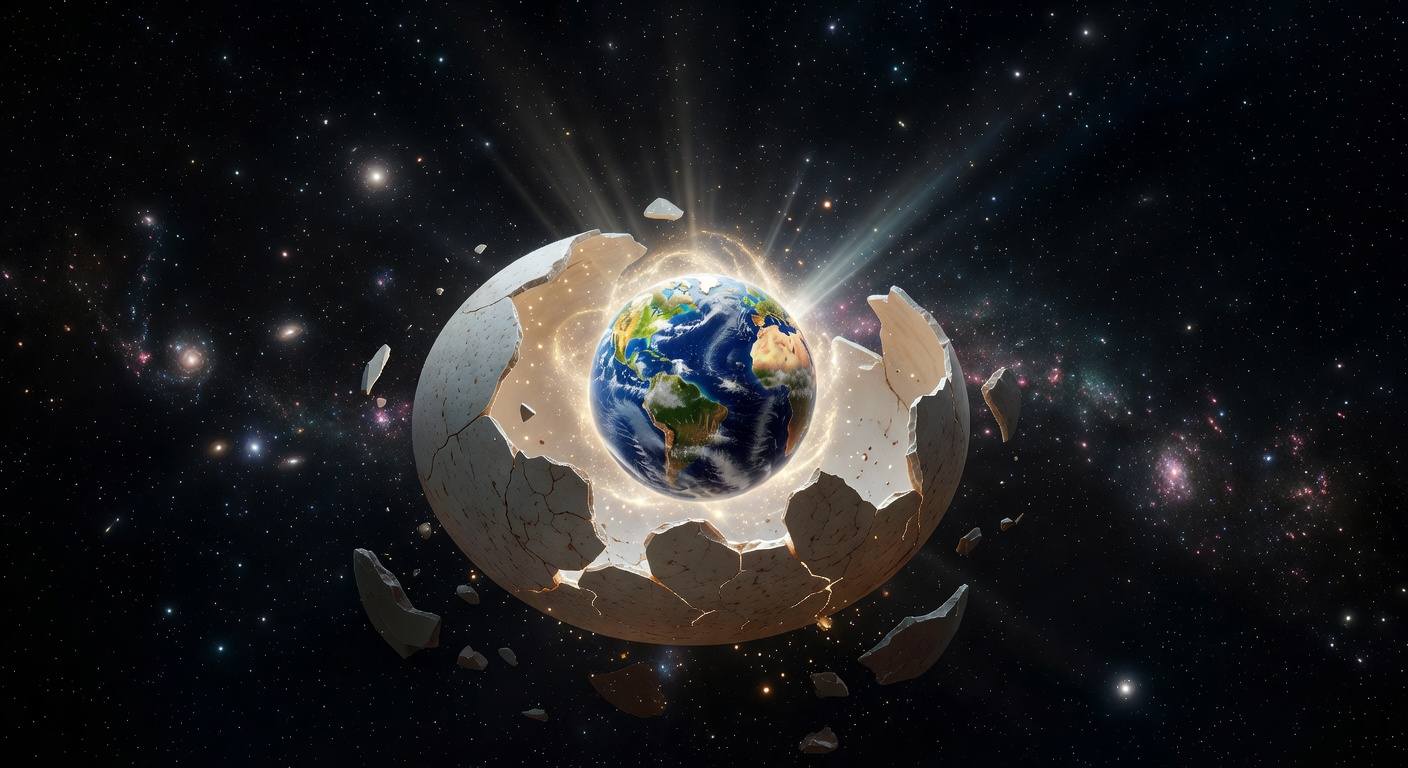
The planet cools and the first oceans and life appear.
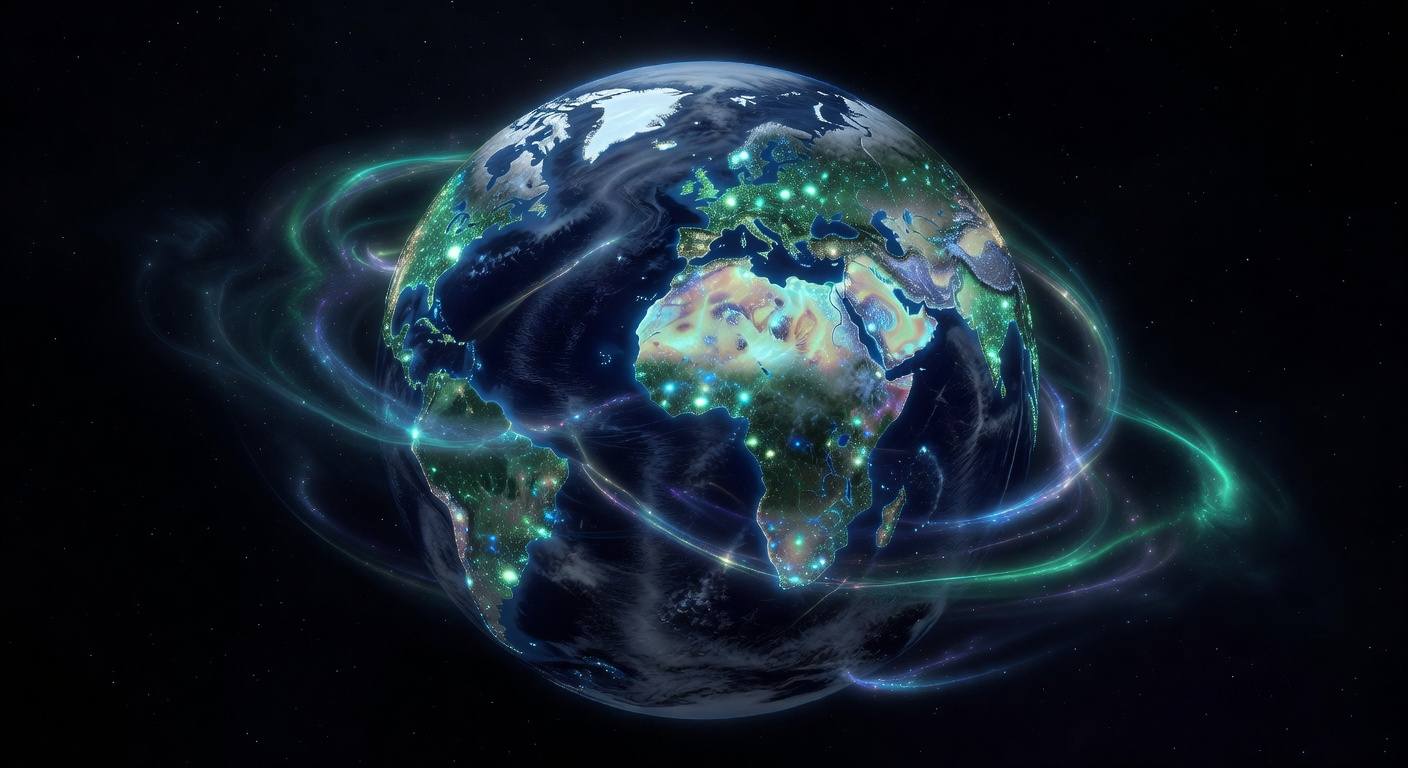
Earth as a single, self-regulating living system — the central idea of this Odyssey.
Every atom of oxygen in your lungs, carbon in your cells, and iron in your blood was forged in the cores of ancient stars or in the fires of the Big Bang itself. The universe's first chapters are literally written in our bodies.
Earth did not form peacefully. It was bombarded by asteroids, collided with a planet-sized body called Theia (creating the Moon), and endured the Late Heavy Bombardment. These catastrophes delivered water and shaped the only world we know that harbors life.
The same physical laws that governed the expansion after the Big Bang govern the chemistry of life today. Understanding cosmic origins reveals why Earth was not just possible — it was inevitable.
Scientists estimate the Big Bang occurred approximately 13.8 billion years ago. This marks the beginning of the universe as we understand it, when space, time, matter, and energy came into existence from a single point.
The Theia impact was a colossal collision between early Earth and a Mars-sized planet called Theia. This event is believed to have created the Moon and dramatically reshaped our planet's mantle and crust.
The first stars are thought to have ignited a few hundred million years after the Big Bang. They ended the cosmic dark ages and began forging the heavier elements that would later build planets and life.
Four billion years ago, chemistry became biology. The next chapter of the Gaia Odyssey begins in the oceans of the young Earth.