A star and its family are born
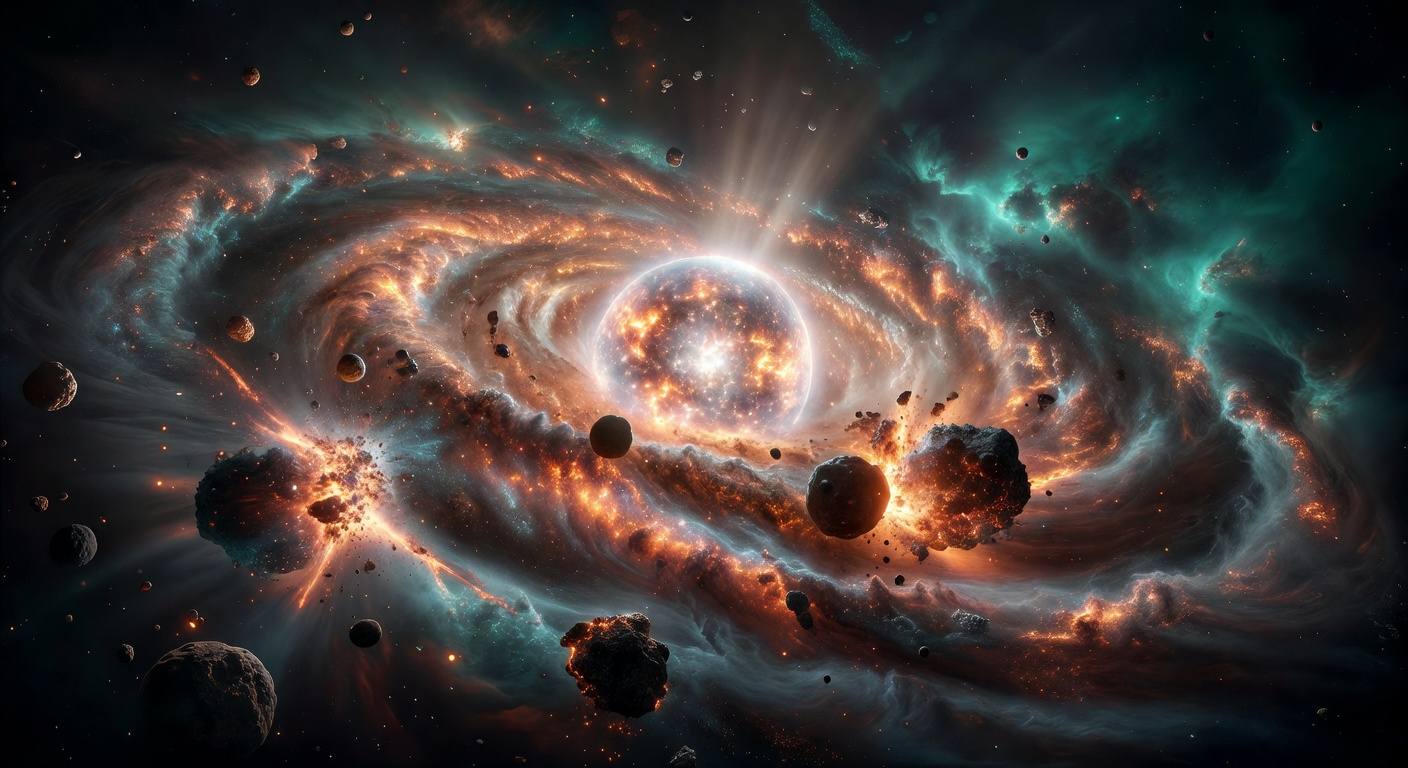
About 4.6 billion years ago, something disturbed a giant molecular cloud in one of the Milky Way’s spiral arms. Gravity took over. A large pocket of gas and dust began to collapse inward. At the very center, pressure and heat built up until nuclear fusion began. The Sun was born.
The Protoplanetary Disk
Around the young Sun spun a flat disk of leftover material — gas, ice, and dust. Over time, tiny particles stuck together, growing into pebbles, then boulders, then planetesimals. In the inner, hotter regions, only rock and metal survived. Farther out, ices remained, allowing giant planets like Jupiter to form quickly.
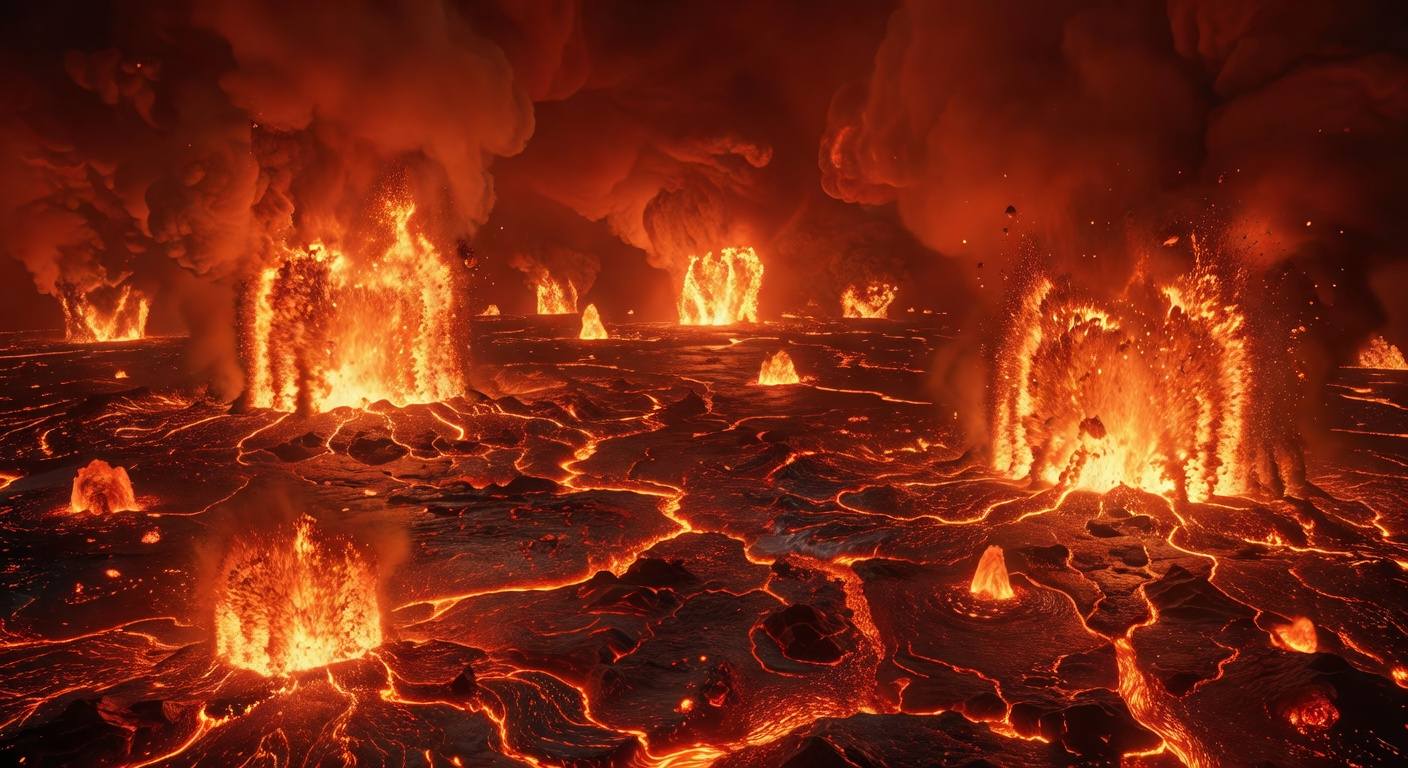
The process was violent. Countless collisions, some catastrophic, shaped the final architecture of our solar system. The early Earth was likely hit by something the size of Mars — an event that would later help create the Moon.
Most of the material that became the planets was already there before the Sun started shining. The Sun didn’t “create” the solar system — it formed alongside it from the same collapsing cloud.
- The Sun holds 99.8% of the total mass in our solar system. Everything else combined is tiny by comparison.
- Jupiter formed extremely fast and probably prevented a second star from forming in our system.
- The asteroid belt is likely the remains of a planet that never fully formed because of Jupiter’s gravitational influence.
- Earth’s water may have arrived later via comets and icy asteroids from the outer solar system.
- The early solar system was a much more crowded and dangerous place than it is today.
- It took roughly 10 to 20 million years for the planets to reach something close to their current form.
The solar nebula
A reconstruction of the collapsing solar nebula and the slow, violent assembly of the Sun and planets through accretion 4.6 billion years ago.
Gallery
Key Stages in Solar System Formation
| Time | Stage |
|---|---|
| ~4.6 billion years ago | Cloud collapse begins |
| First few million years | Sun forms + disk |
| ~10 million years | Planets accrete |
| ~4.5–4.4 billion years ago | Late heavy bombardment |
Why This Moment Matters
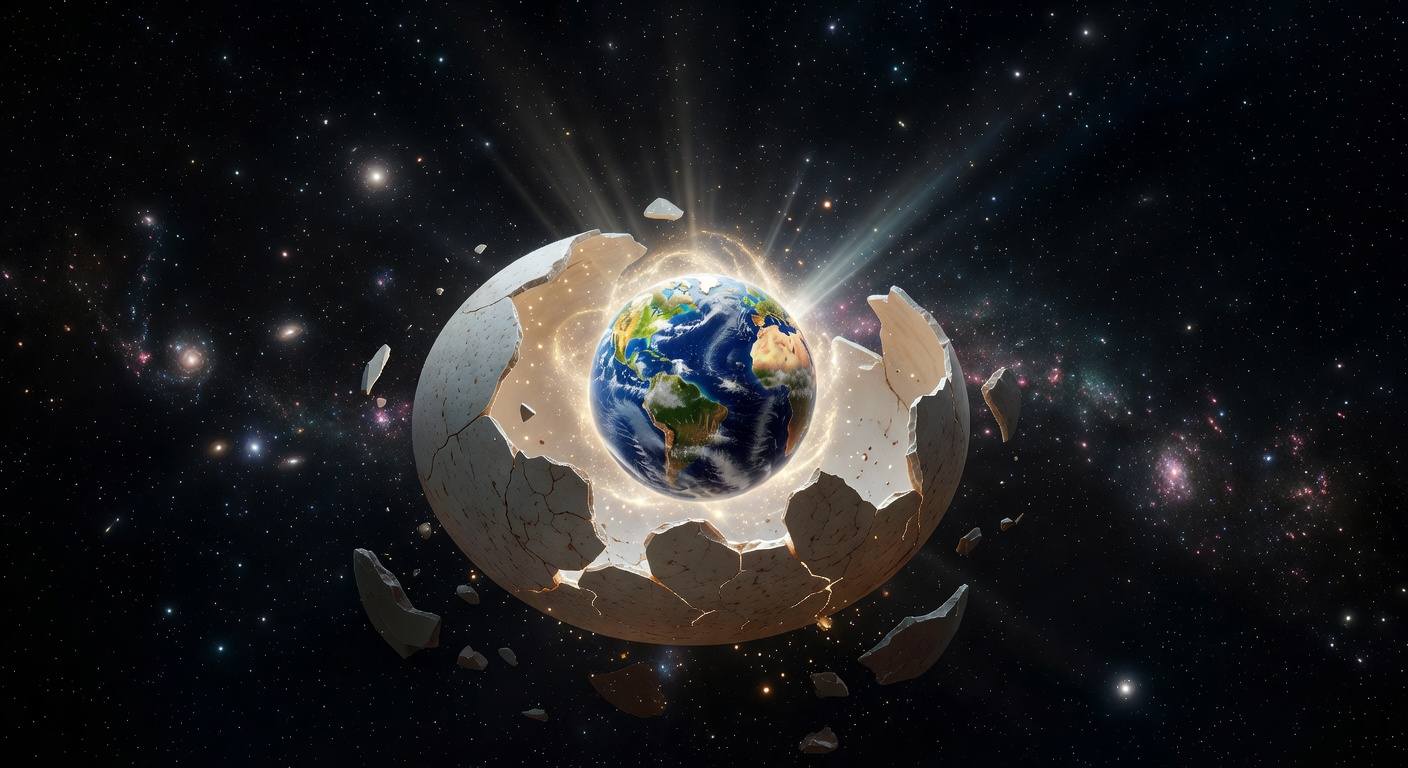
This wasn’t just the birth of planets. It was the beginning of the specific conditions that would eventually allow life to appear on Earth. Every rock, every ocean, every living thing on our planet carries the signature of this ancient cloud collapse.