Chapter IV β€’ The Final Chapter

The Cenozoic Dawn

From the rise of mammals after the dinosaurs to the emergence of humans in the Stone Age β€” the latest chapter in Earth’s story.

8 Milestones
66 Million Years
Original Videos
66 million years of mammalian dominance
From small survivors to intelligent minds
Scientifically accurate reconstructions
Fully illustrated & self-contained
POST-DINOSAUR

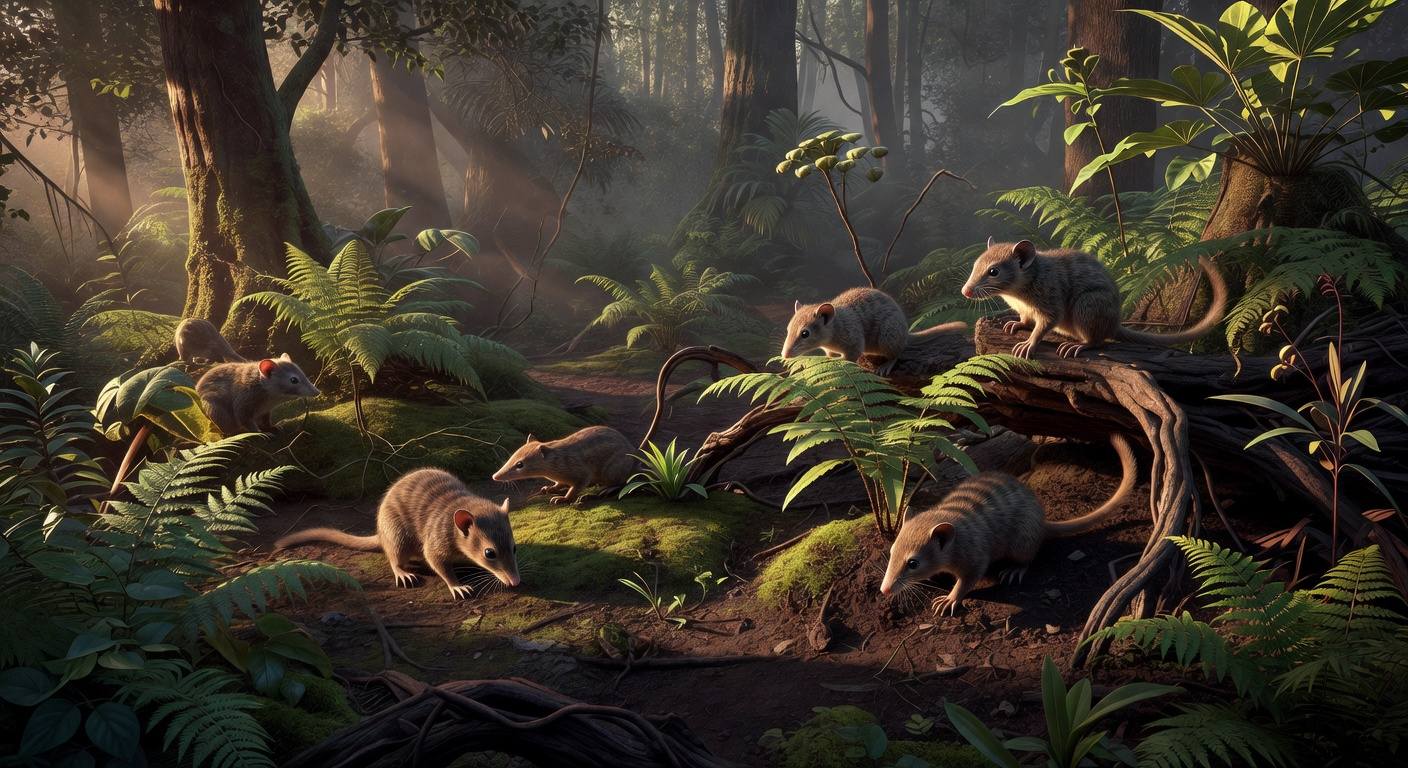
After the Dinosaurs

Mammals inherit a broken world and begin their extraordinary rise.
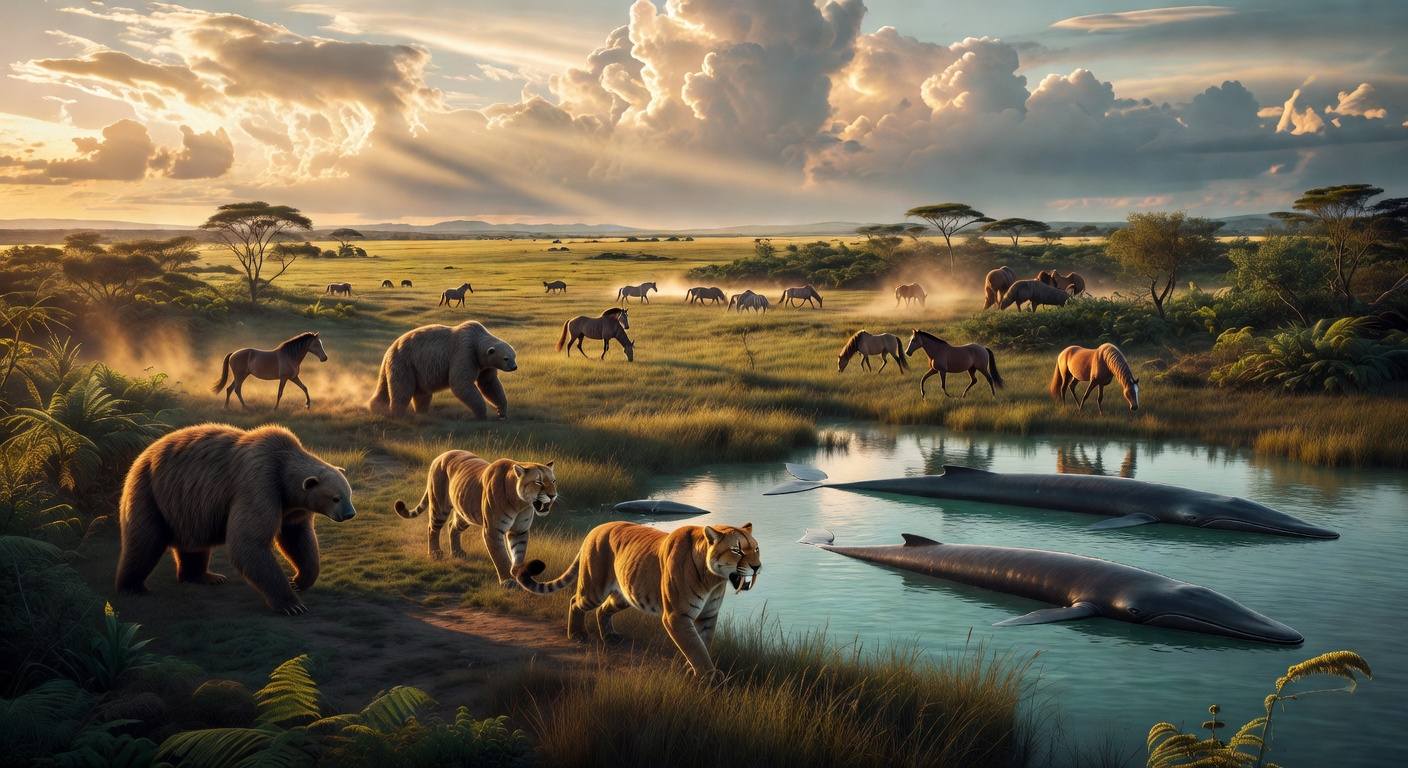
THE GOLDEN AGE

The Age of Mammals

Whales, elephants, big cats, and the great diversification of mammalian life.
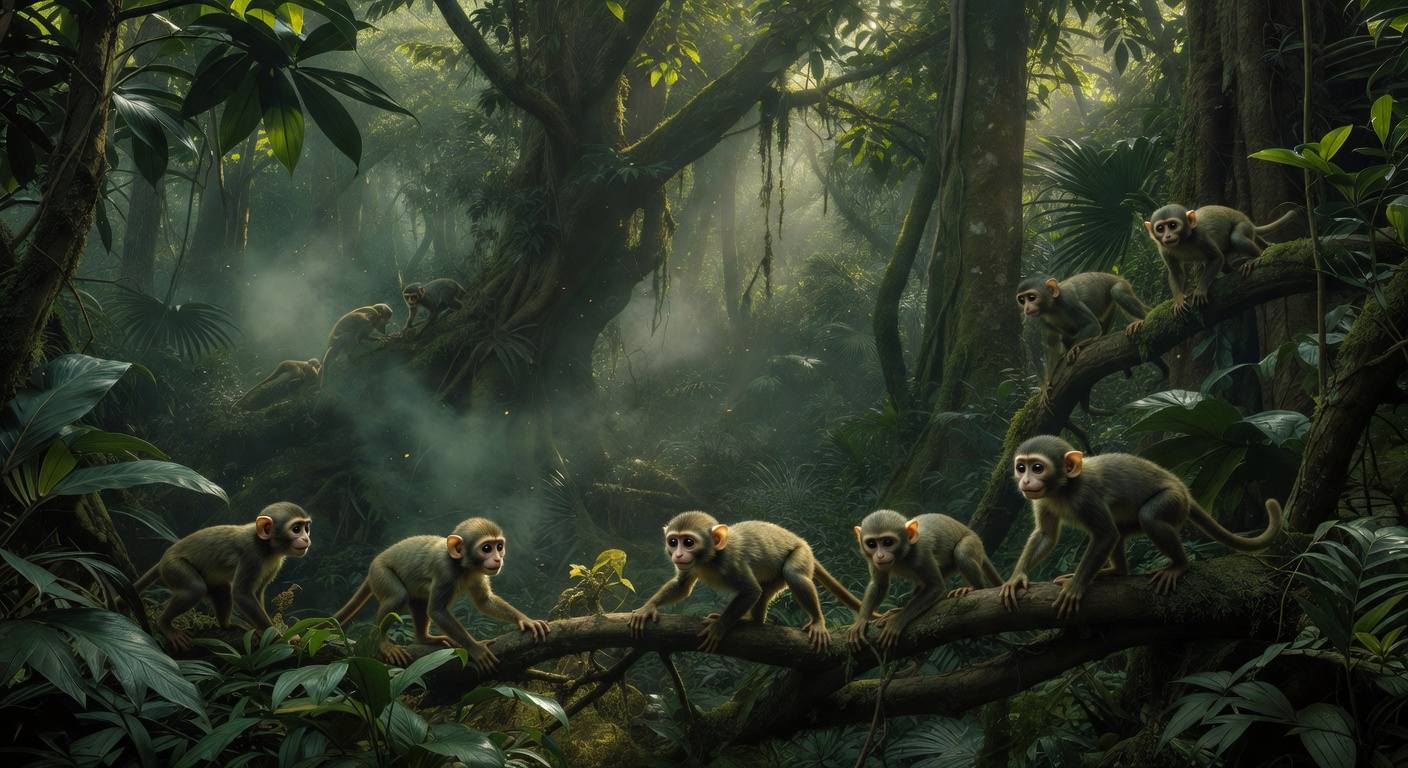
THE PRIMATE LINE

The Primate Path

From tree-dwelling ancestors to the first steps toward human intelligence.
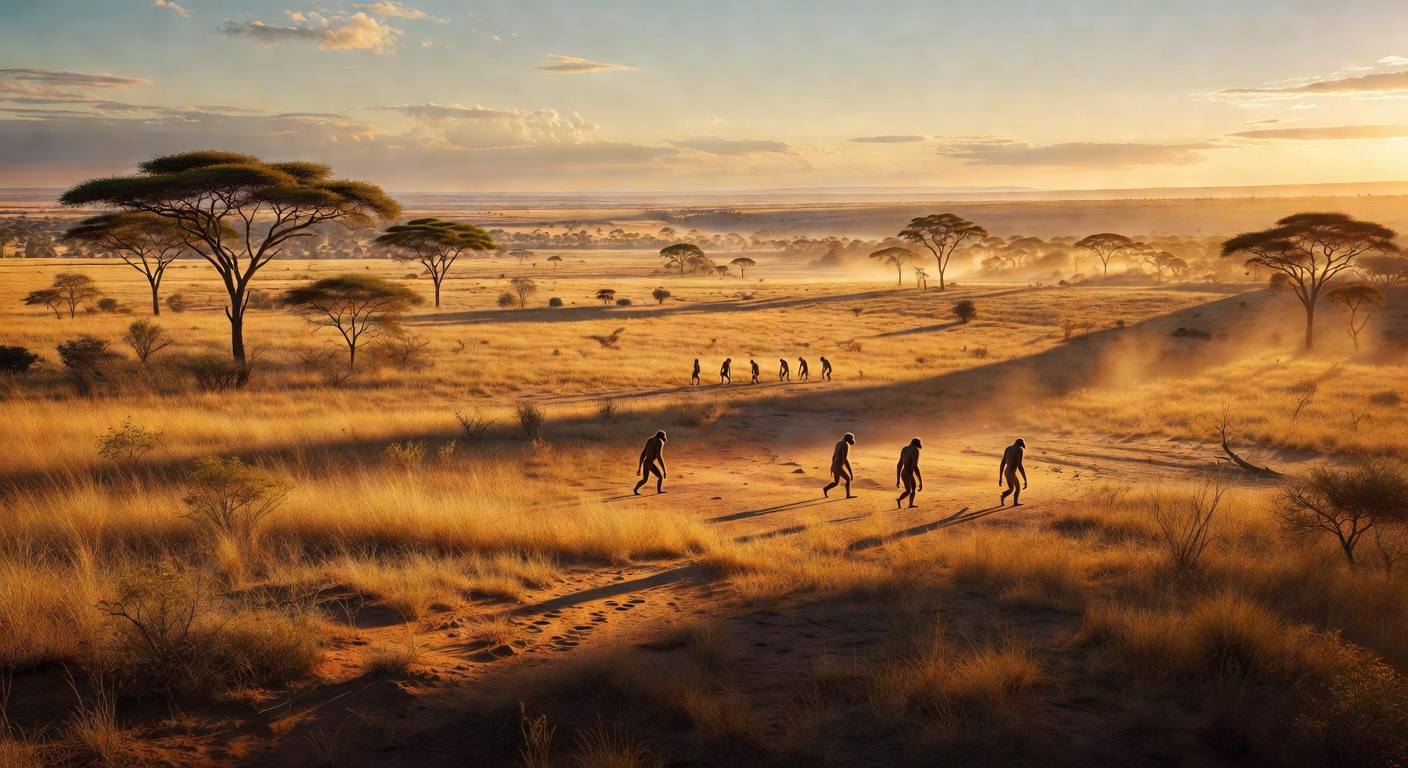
THE FIRST STEPS

Early Hominins

Australopithecus and the first bipedal ancestors on the path to humanity.
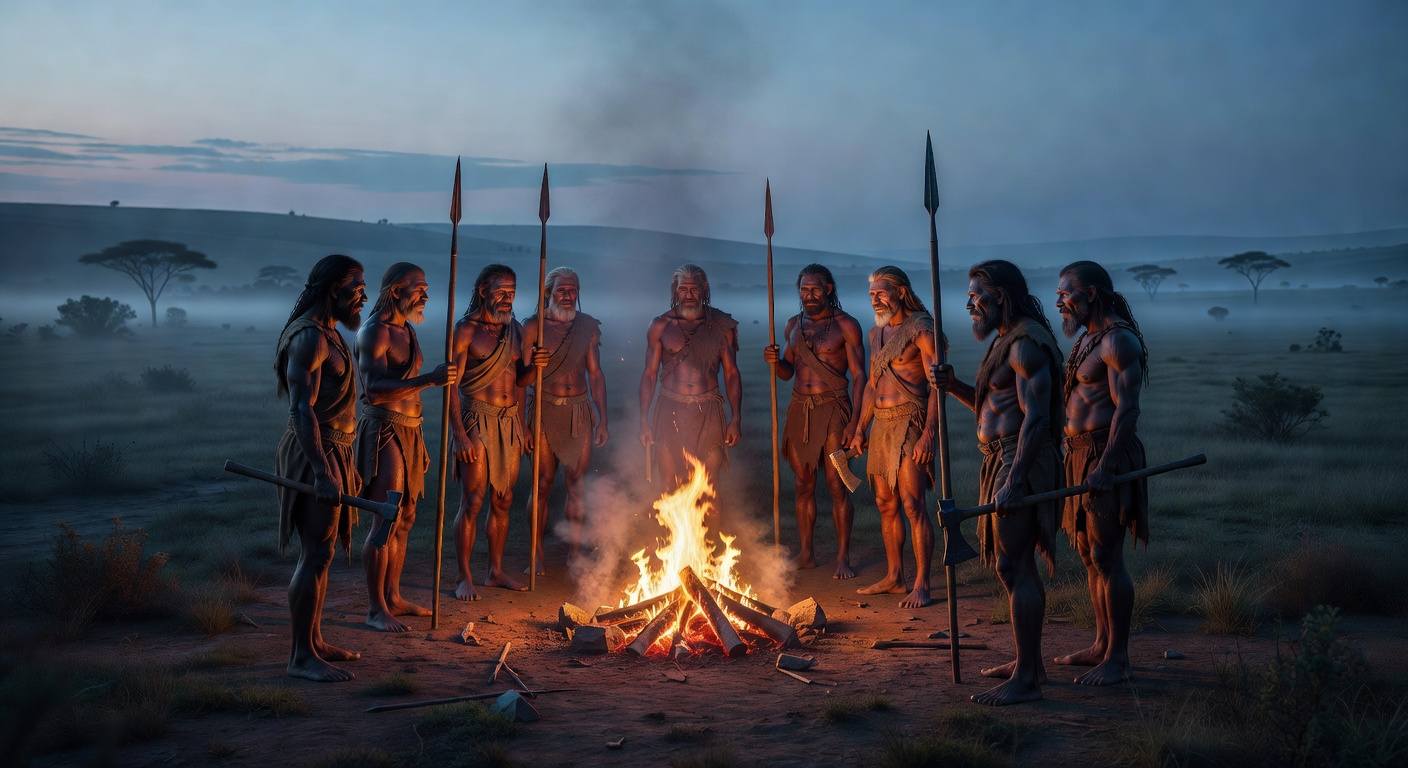
THE FIRST HUMANS

Homo erectus & The Wanderers

Fire, tools, and the first great migrations out of Africa.
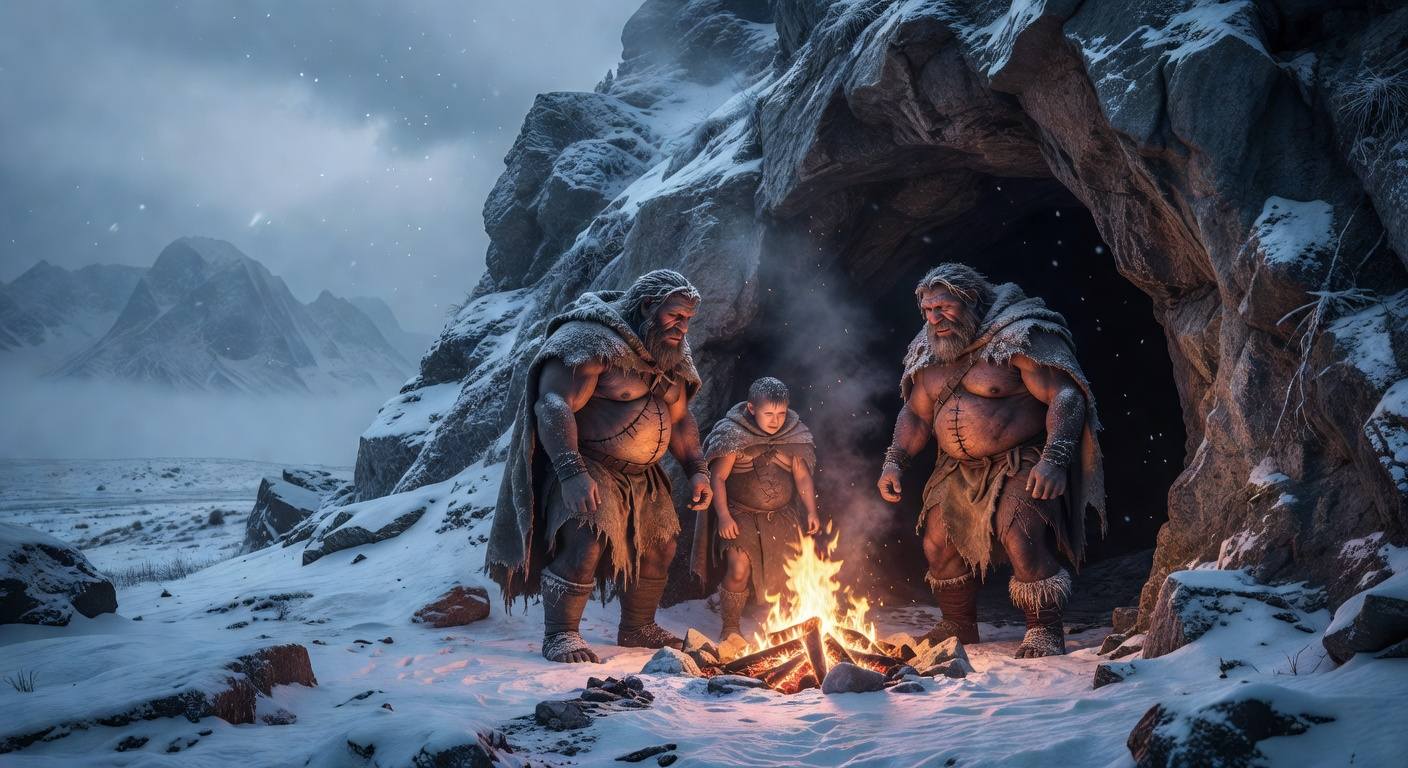
OUR CLOSEST KIN

Neanderthals and Our Kin

The complex lives of our closest extinct relatives and their interbreeding with us.
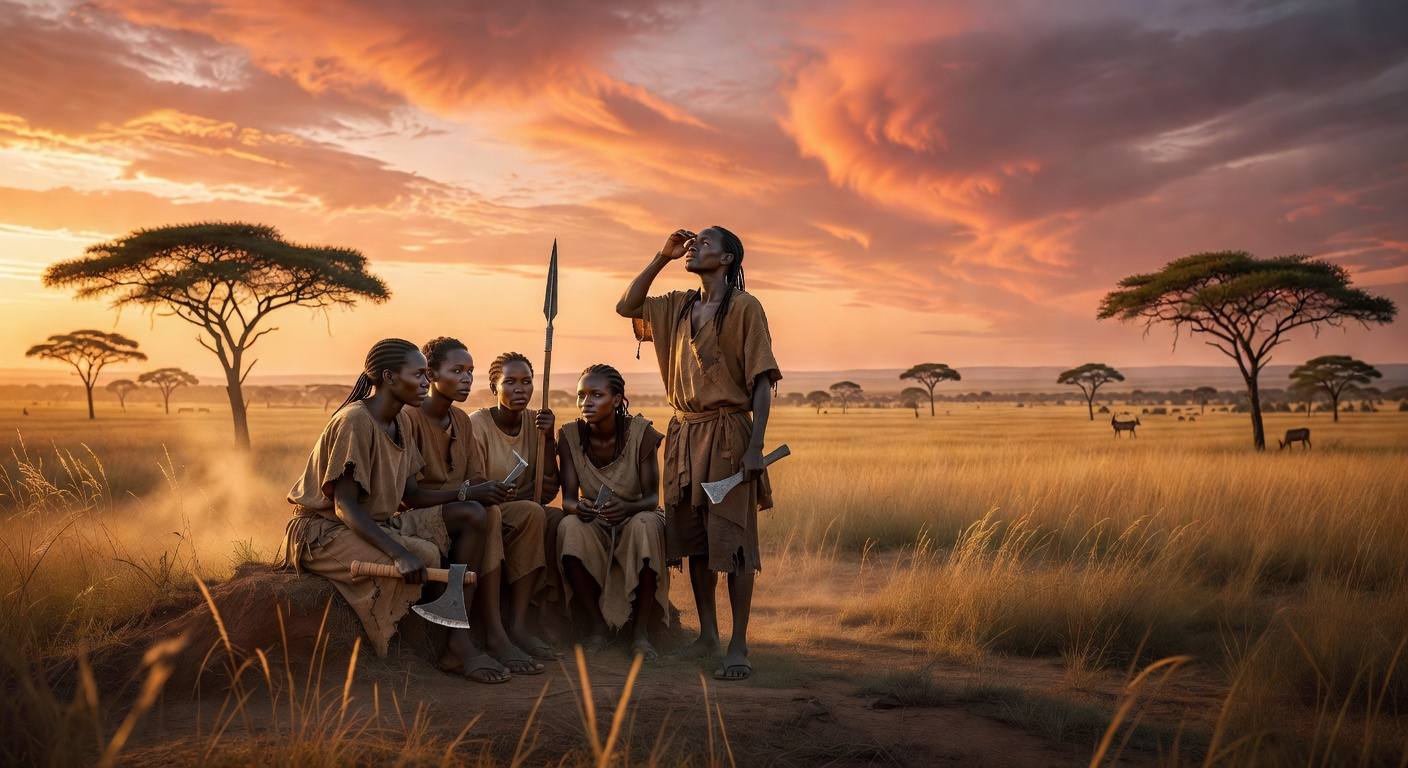
MODERN HUMANS

The Arrival of Homo sapiens

The emergence of anatomically and behaviorally modern humans.
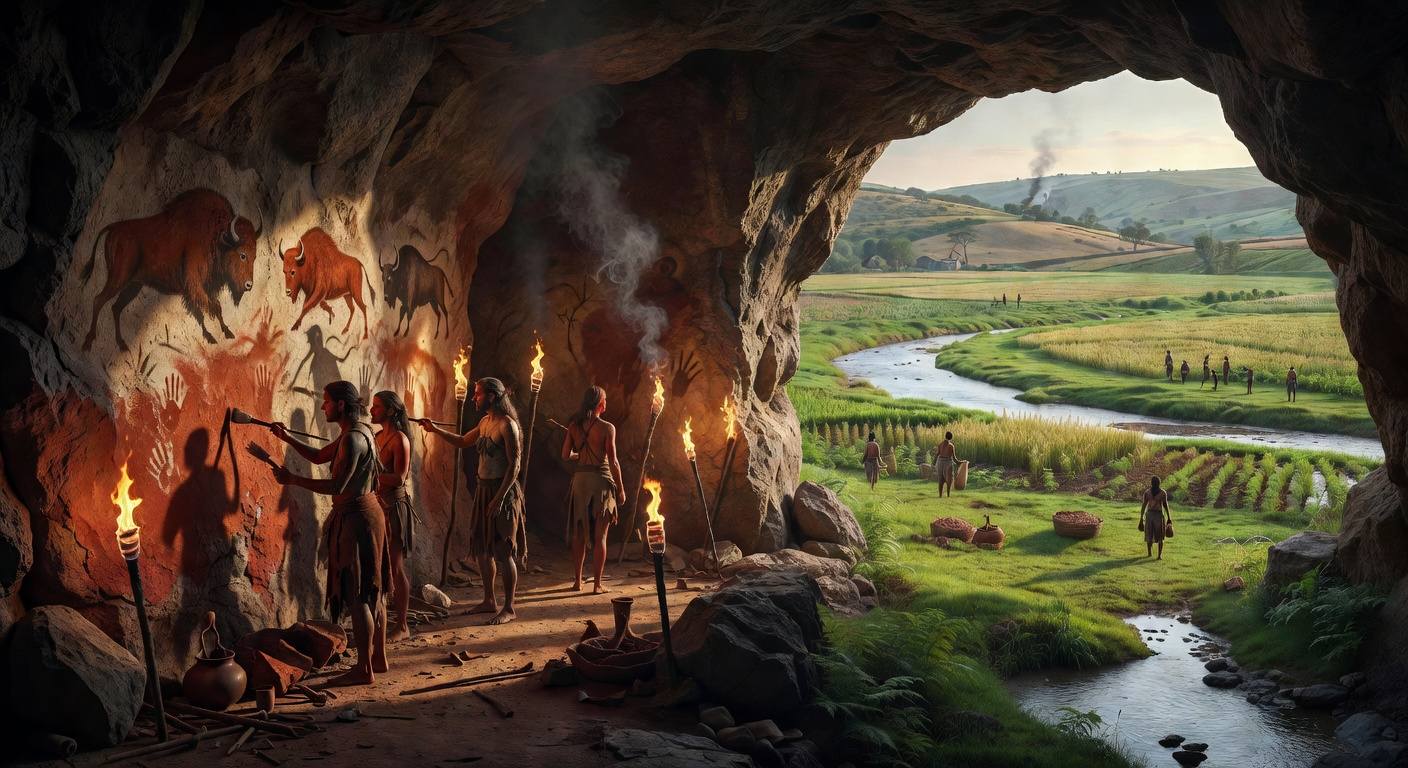
THE HUMAN EPOCH

The Stone Age & The Human Epoch

From the Upper Paleolithic to the dawn of agriculture and civilization.

THE LATEST CHAPTER

Why the Cenozoic Dawn Matters

Mammals inherited the Earth

After 165 million years of dinosaur dominance, a mass extinction cleared the way for mammals to rise. In a few million years, they filled almost every niche on the planet.

A new kind of intelligence emerged

The primate line eventually produced a species with the capacity for symbolic thought, complex language, and the ability to understand its own origins β€” something unprecedented in 13.8 billion years.

We are the story becoming aware

In the Gaia Odyssey, this is the chapter where the universe, through one small branch of mammals, developed the ability to look back at the entire journey and ask β€œWhy are we here?”

Frequently Asked Questions

When did mammals first appear? ↓

Mammals first evolved during the Triassic period, around 225 million years ago, alongside the early dinosaurs. They remained small and mostly nocturnal until the dinosaurs disappeared.

When did humans first appear? ↓

Anatomically modern humans (Homo sapiens) emerged in Africa around 300,000 years ago. Behavioral modernity β€” art, complex tools, and symbolic thinking β€” developed significantly later, around 50,000–70,000 years ago.

Did humans cause the extinction of Neanderthals? ↓

It was likely a combination of factors β€” competition with Homo sapiens, climate change, and possible interbreeding. Neanderthals disappeared around 40,000 years ago.

How does this fit into the Gaia story? ↓

This is the chapter where Earth, through the long process of evolution, produced a species capable of understanding the entire 13.8-billion-year story β€” including its own role within it.

THE STORY COMES FULL CIRCLE

We are the universe looking back at itself.

After 13.8 billion years, one small branch of mammals developed the capacity to understand the entire journey β€” from the Big Bang to the present moment.