The great inheritance
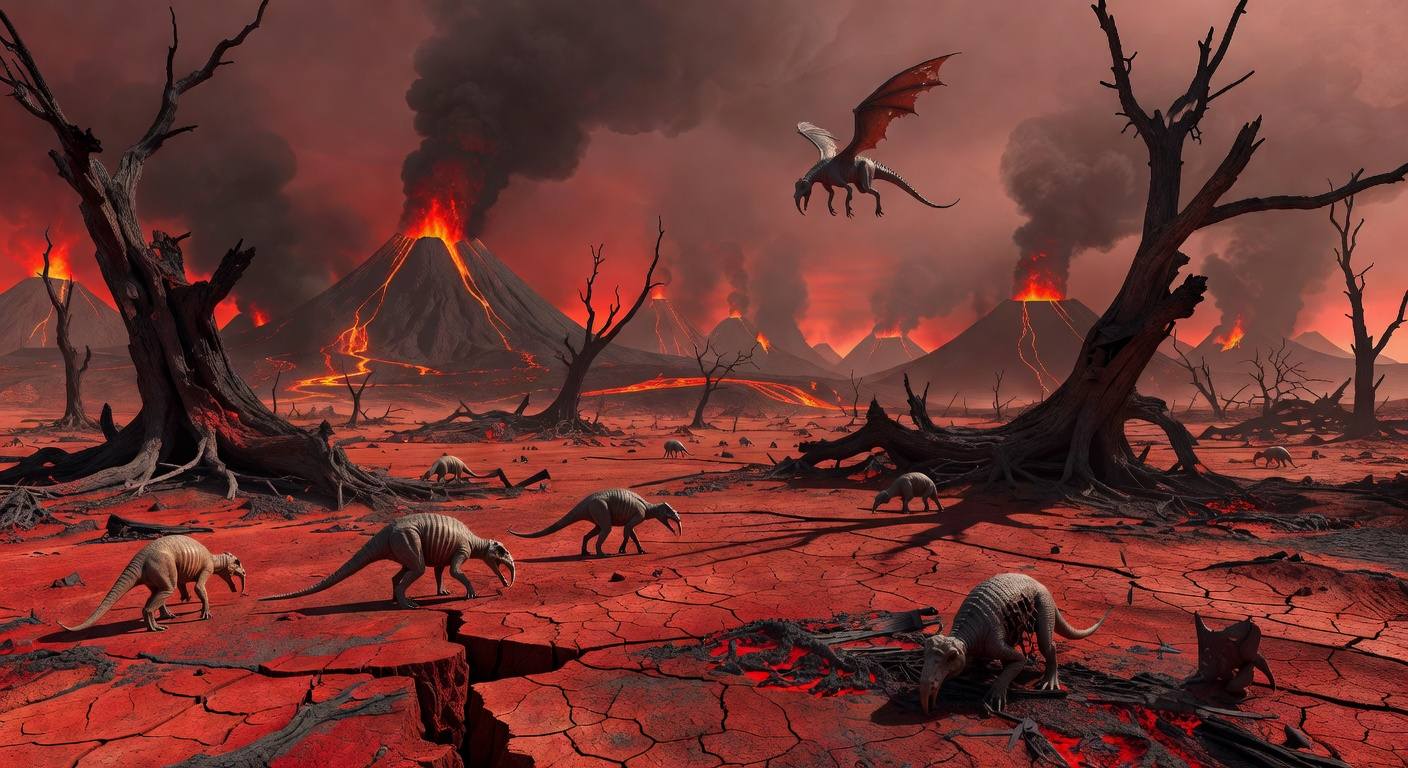
66 million years ago, an asteroid roughly the size of a small city slammed into what is now the Yucatán Peninsula. The impact triggered wildfires across continents, tsunamis that reshaped coastlines, and a dust cloud that blocked sunlight for years. Temperatures swung violently. The dinosaurs, after 165 million years of dominance, were gone in a geological heartbeat.
From the shadows into the light
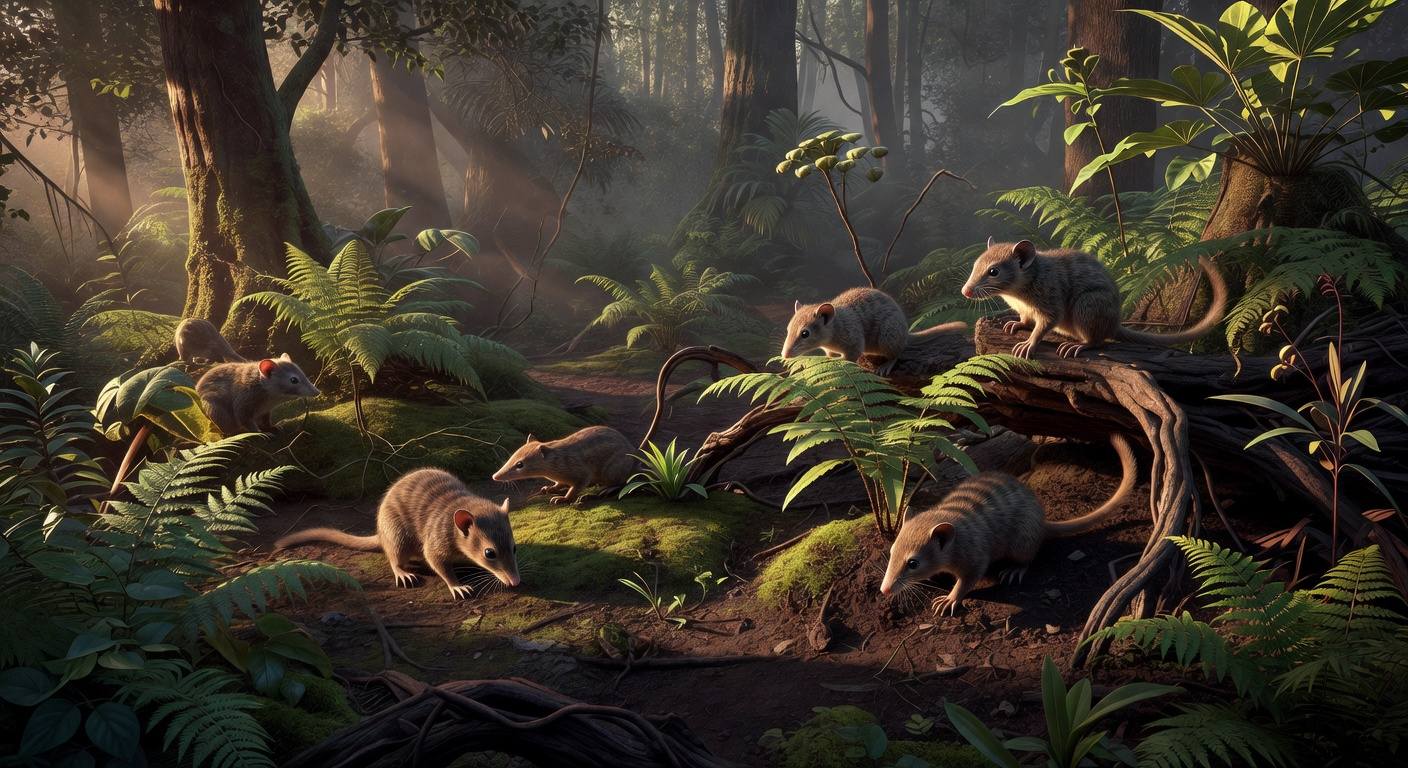
Before the impact, mammals had lived in the cracks of the dinosaur world. Most were nocturnal, many were no bigger than rats or shrews, and they survived on insects, seeds, and whatever the giant reptiles left behind. Their warm blood and fur gave them an edge during the cold, dark years that followed the strike.
When the dust finally settled and forests began to regrow, the world had changed completely. There were almost no large land animals left. In that emptied landscape, the descendants of those small survivors began an extraordinary expansion. Within a few million years, mammals had already produced forms the size of dogs, pigs, and even early horses.
The mammals did not defeat the dinosaurs. They simply outlasted the catastrophe that removed their rulers. Small, flexible, and already adapted to the margins, they were perfectly positioned to inherit a planet that suddenly had room.
- Many early mammals had been nocturnal for over 100 million years simply to avoid dinosaurs.
- Within 10 million years of the extinction, some mammals had already reached the size of modern bears.
- The very first large predatory mammals evolved from the same stock as modern hoofed animals.
- Early primates appeared surprisingly soon after the impact, already showing forward-facing eyes and grasping hands.
- The extinction also removed many bird groups, opening the skies for new avian radiations.
- Without that single asteroid, large intelligent mammals almost certainly would never have evolved.
The world without dinosaurs
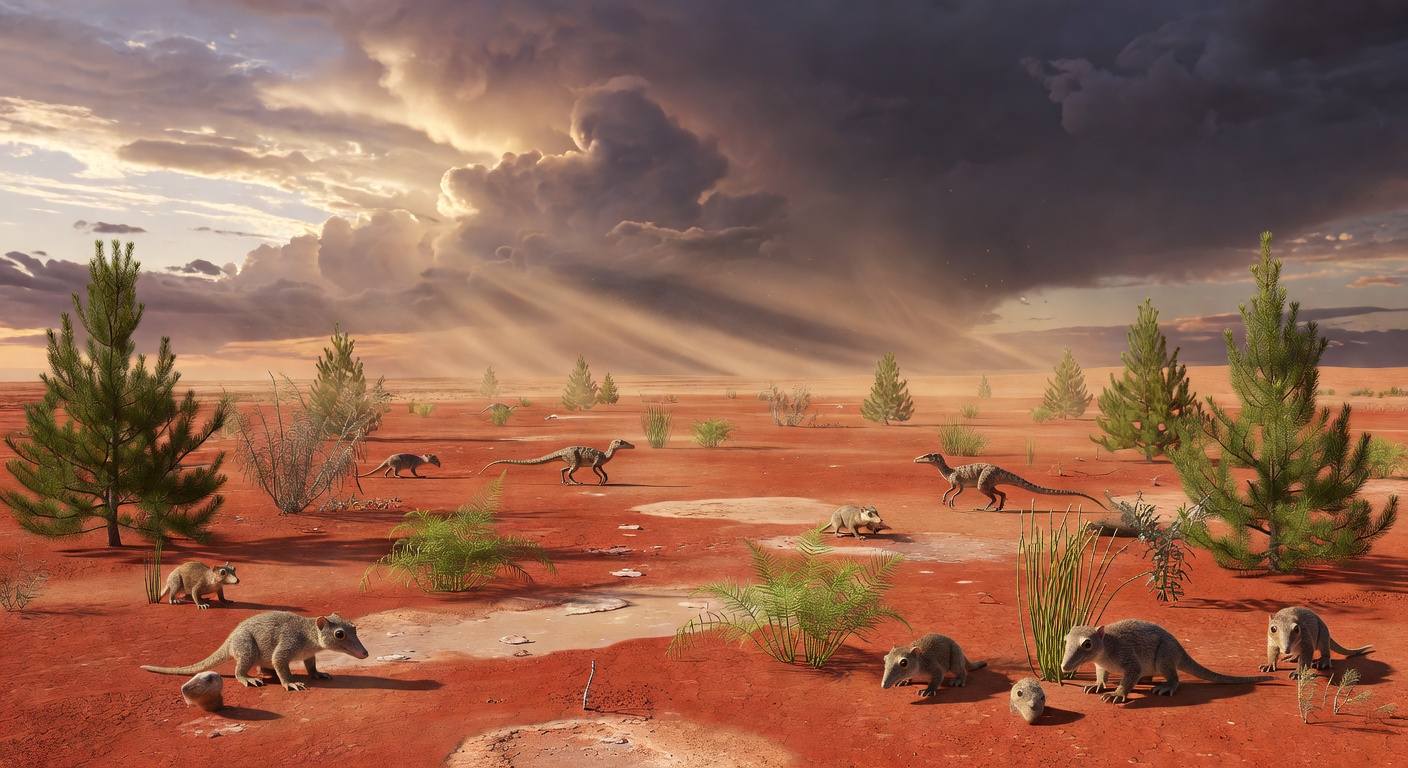
A reconstruction of the recovering landscapes in the first few million years after the impact, as forests returned and small mammals began claiming the world.
Gallery
Timeline of the Post-Dinosaur Recovery
| Time After Impact | Development |
|---|---|
| 0 – 100,000 years | Immediate survival |
| 100,000 – 1 million years | Early diversification |
| 1 – 10 million years | Size explosion |
| 10 – 30 million years | Ecological dominance |
Why this moment matters
The asteroid did not just kill dinosaurs. It removed an entire ruling class of animals that had shaped ecosystems for over 160 million years, creating space for an entirely different body plan and way of life to take over.
Every whale, every elephant, every primate, and every human being alive today descends from the small survivors who waited out the impact winter in burrows and undergrowth. This is our shared origin story.
In the Gaia Odyssey, this is the clearest demonstration that Earth’s living systems do not progress through steady improvement. They move through catastrophe and reinvention. The mammals’ rise was made possible by death on a massive scale.
The age of giants and diversification begins.
Over the next 40 million years, mammals would grow to unprecedented sizes, spread across every continent, and evolve the first forms that would eventually lead to us.
Sources & Further Reading
Frequently Asked Questions
How did tiny mammals survive when the mighty dinosaurs perished?↓
Small size helped them need less food. Burrowing and nocturnal habits protected them from the worst of the impact winter. A flexible diet of insects, seeds, and carrion let them endure when specialized giants could not.
How fast did mammals really diversify after the impact?↓
Extremely fast in geological terms. Within 5–10 million years, mammals had already evolved into large herbivores, carnivores, and even semi-aquatic forms. It remains one of the most rapid radiations on record.
What did the world actually look like in those first few million years?↓
It was a strange, low-diversity world. Ferns and small flowering plants dominated at first. There were very few large animals. The forests were recovering, but the great dinosaur-era canopies were gone.
Why does the rise of mammals matter in the Gaia story?↓
Because it shows how one branch of life can be waiting in the wings for millions of years, then suddenly become the main story after a planetary crisis. We are the direct result of that ancient inheritance.