The quiet prelude to life
After the violence of the Hadean, Earth finally began to look like a proper planet. The surface cooled enough for a solid crust to form and remain. Liquid water collected into the first true oceans. The worst of the giant impacts had slowed.
Life Makes Its Entrance
In this quieter world, something extraordinary happened. In the warm, mineral-rich waters near hydrothermal vents and in shallow coastal areas, chemistry crossed the threshold into biology. The earliest evidence of life — simple microbial mats called stromatolites — appears in rocks from this time.
The Archean atmosphere had no oxygen. Life had to survive without it. These early organisms were anaerobic and thrived in conditions that would kill most modern life. Yet they began the long, slow process of changing the planet itself.
The Archean is when Earth stopped being just a geological body and became a living system. The first microbes didn’t just exist here — they began to transform the atmosphere and oceans in ways that would eventually make the planet habitable for more complex life.
- The oldest known rocks on Earth (around 4.0 billion years old) date from the early Archean.
- There was still no free oxygen in the atmosphere — all life was anaerobic.
- Stromatolites built by microbial communities are among the oldest fossils ever found.
- The first small continents began to form and survive during this eon.
- The Archean lasted 1.5 billion years — longer than the entire time from the Cambrian explosion until today.
- The Sun was significantly fainter, yet Earth stayed warm thanks to a strong greenhouse atmosphere.
The first oceans
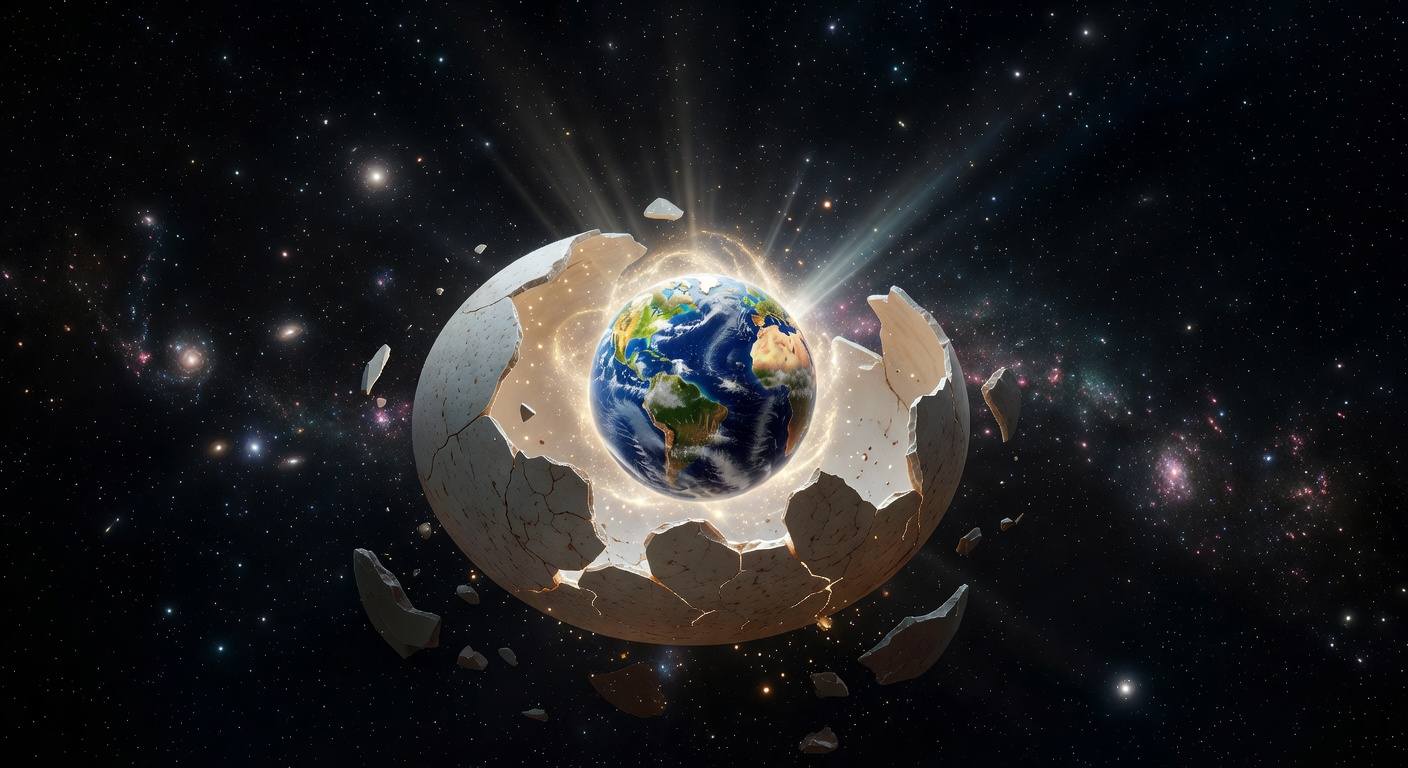
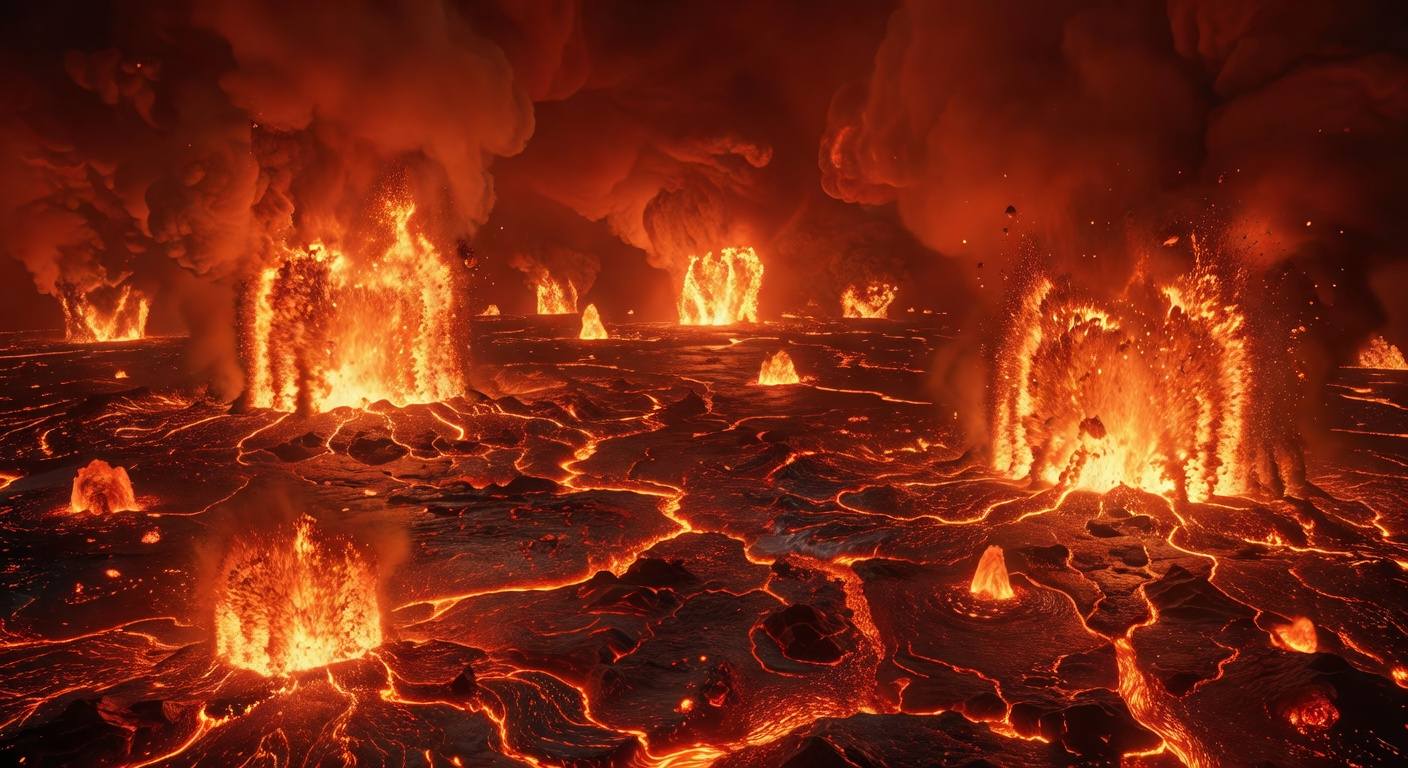
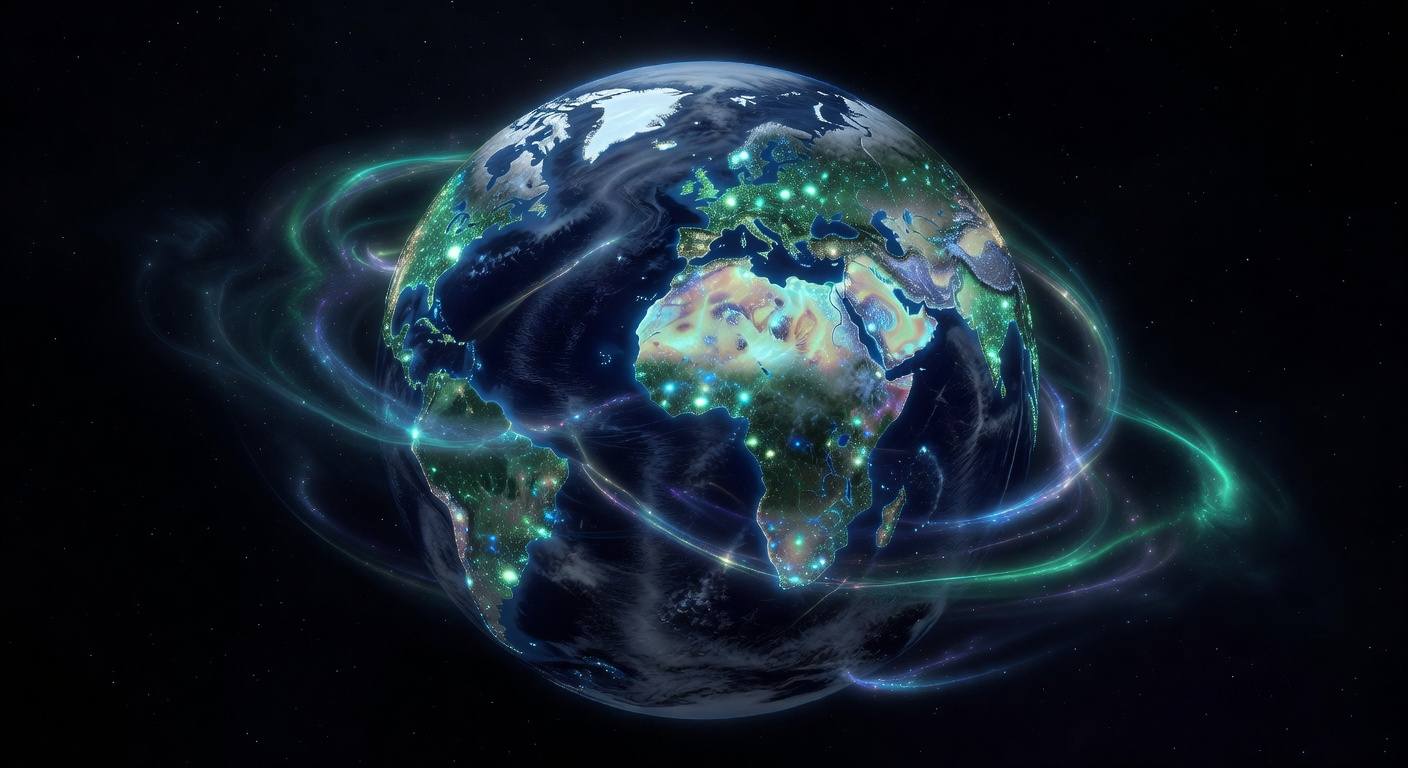
A reconstruction of the Archean Earth — the first stable oceans and the earliest microbial life beginning to appear in warm, mineral-rich waters.
Gallery
Archean Earth Timeline
| Time | Development |
|---|---|
| ~4.0 billion years ago | Hadean ends |
| ~3.8–3.5 billion years ago | First oceans |
| ~3.5–3.0 billion years ago | Earliest life |
| ~2.7–2.5 billion years ago | Archean ends |
Why the Archean Matters
This is when Earth became alive. The first microbes didn’t just exist here — they began the long process of changing the atmosphere and chemistry of the planet. Everything that came after, including us, traces back to what started during the Archean.