The planet learns to breathe
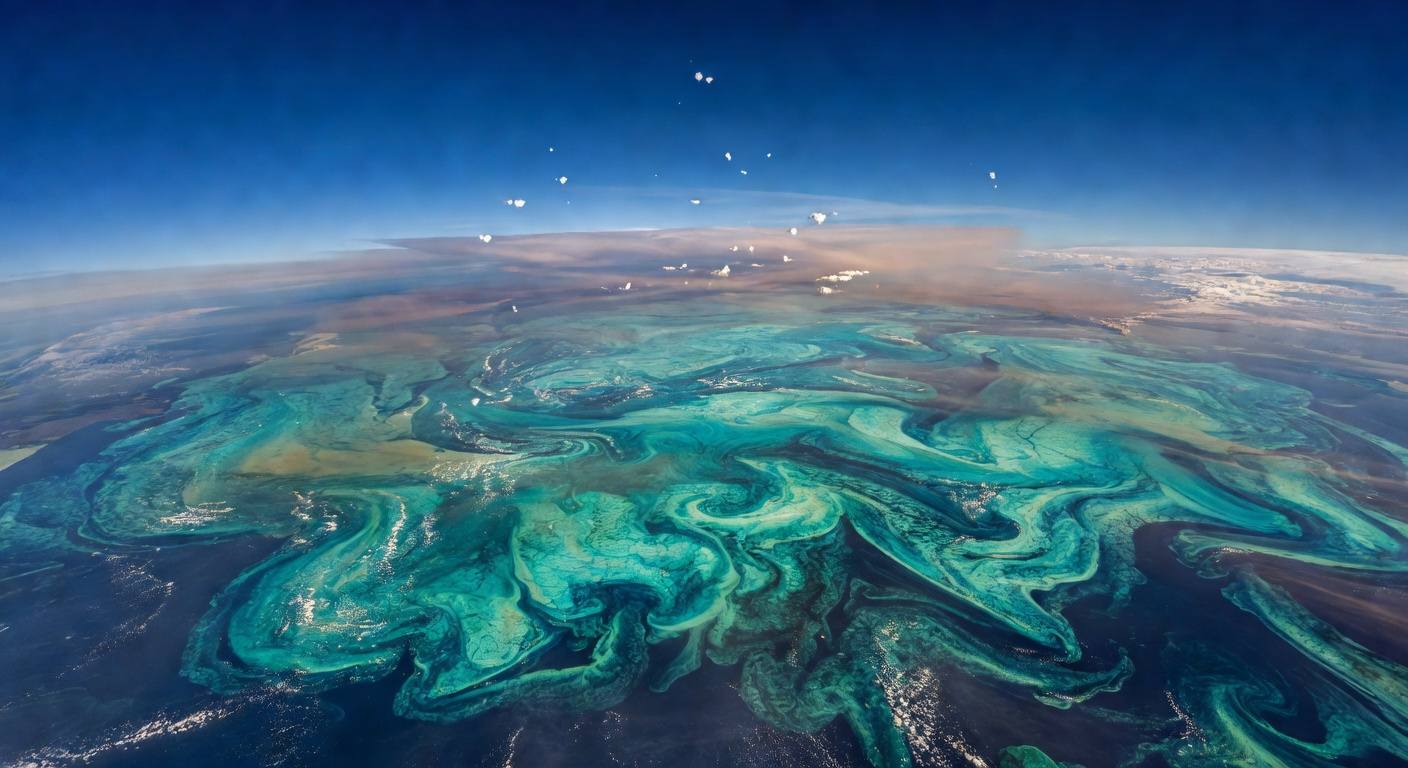
For billions of years, Earth’s atmosphere had almost no free oxygen. Then, around 2.4 billion years ago, a quiet revolution began. Cyanobacteria — simple photosynthetic microbes — had been producing oxygen as a waste product for a long time. At first, that oxygen was absorbed by iron in the oceans. But eventually, it began to accumulate in the air.
A Breath That Killed and Created
The Great Oxidation Event was catastrophic for most existing life. The vast majority of organisms at the time were anaerobic and could not tolerate oxygen. The sudden rise of this gas wiped out enormous numbers of species in what was likely Earth’s first major mass extinction.
At the same time, it created an entirely new world. Aerobic respiration — using oxygen for energy — became possible. This more efficient form of metabolism would later allow much larger and more complex organisms to evolve. The Great Oxidation Event was both a mass death and the opening of a new chapter for life on Earth.
Life didn’t just adapt to Earth during this event — it permanently changed the planet’s chemistry. This was the first time biology took control of the global atmosphere, and it set the stage for everything from animals to us.
- Before this event, Earth’s atmosphere had almost no free oxygen.
- The oxygen we breathe today is still largely produced by descendants of these ancient cyanobacteria.
- Banded iron formations in ancient rocks are direct geological evidence of the oxygen surge.
- The event may have triggered a global “snowball Earth” period as oxygen destroyed methane in the atmosphere.
- It took another 1.5 billion years before oxygen levels rose high enough for complex animals to evolve.
- Without the Great Oxidation Event, the kind of life we know — including us — would never have appeared.
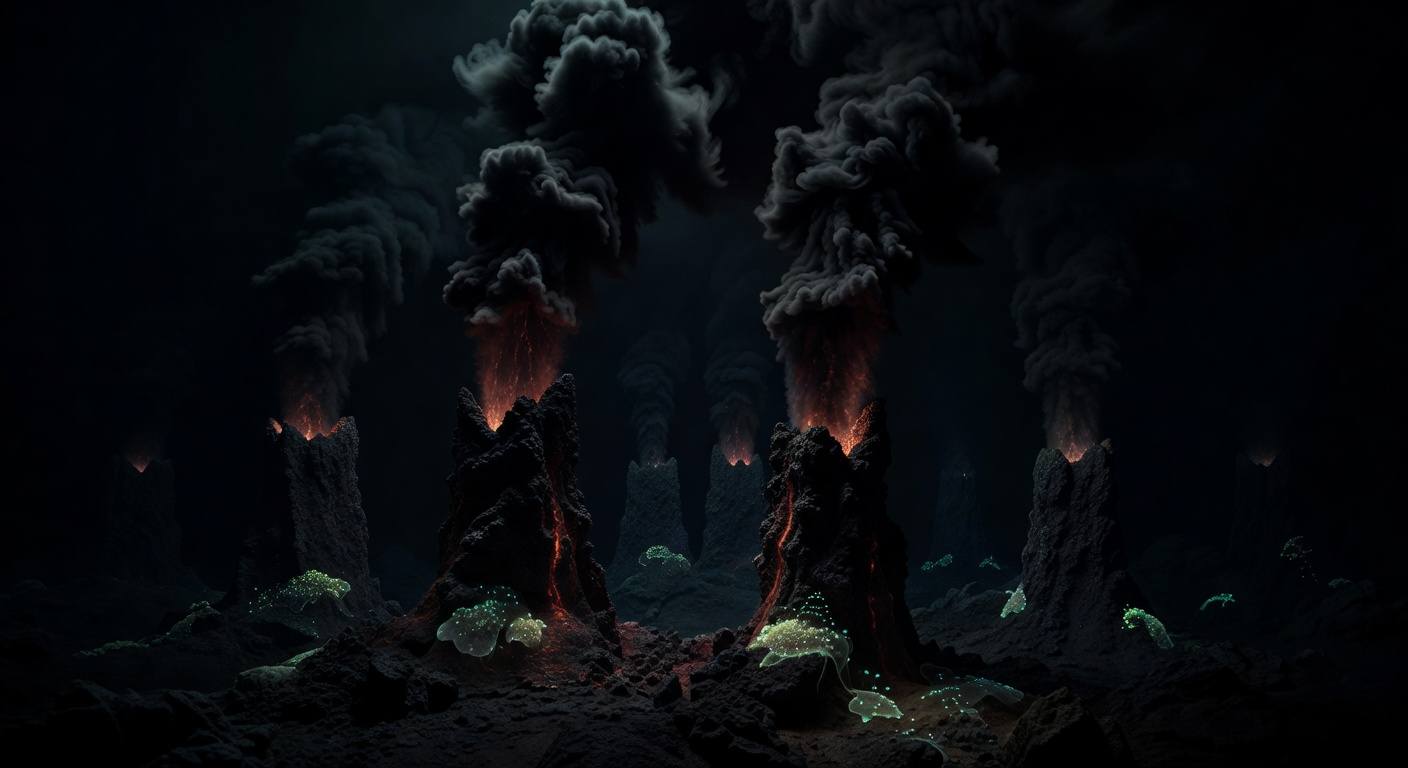
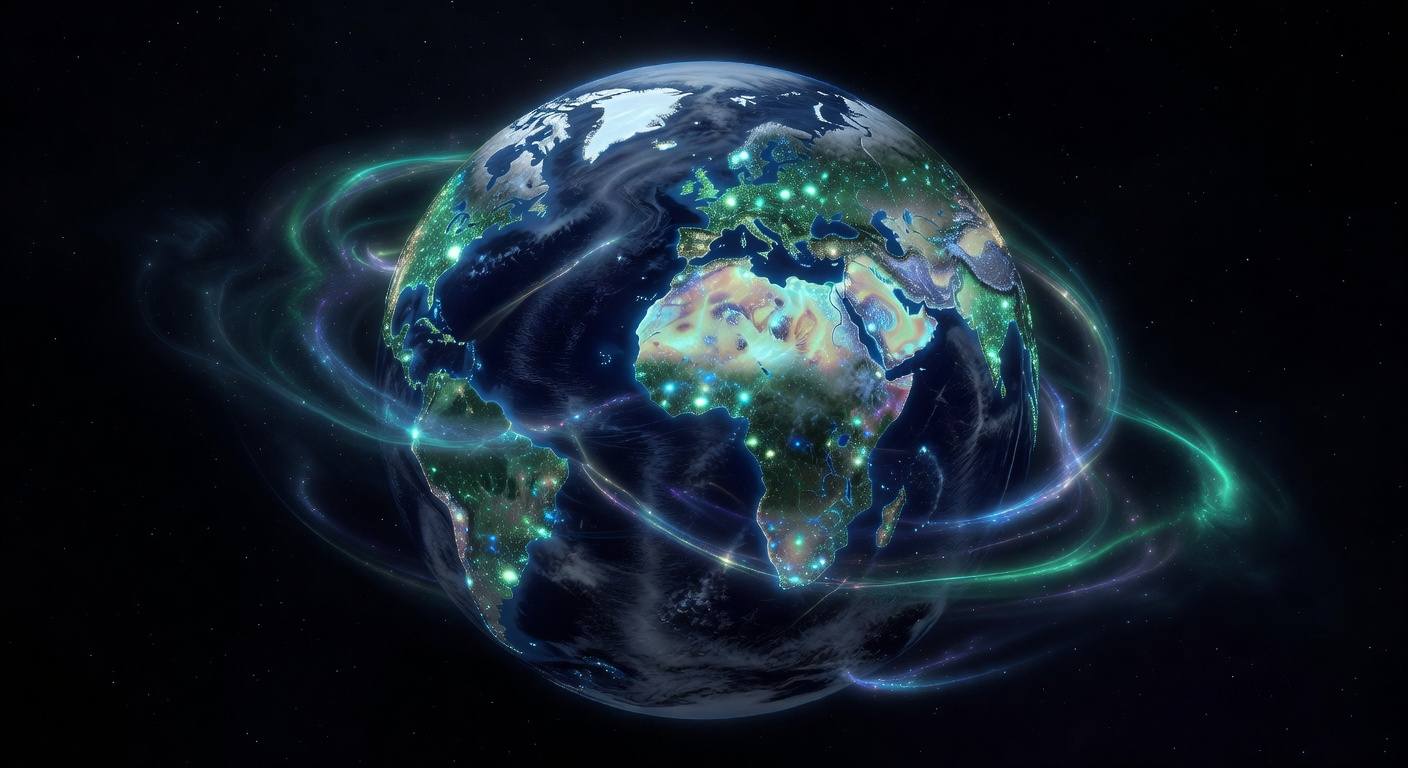
A planet transformed
How photosynthetic life slowly but completely changed the chemistry of the entire planet.
Gallery
Great Oxidation Timeline
| Time | Event |
|---|---|
| ~3.5–2.7 billion years ago | Cyanobacteria evolve |
| ~2.4 billion years ago | Great Oxidation Event begins |
| ~2.2–2.0 billion years ago | Oxygen crisis / mass extinction |
| ~2.0 billion years ago onward | Oxygen-rich world |
Why the Great Oxidation Matters
This was one of the most important moments in Earth’s history. Without the oxygen produced by ancient cyanobacteria, the oxygen-rich world that allowed animals (including us) to exist would never have developed. It was also the first time life dramatically changed the chemistry of the entire planet on a global scale.