Location
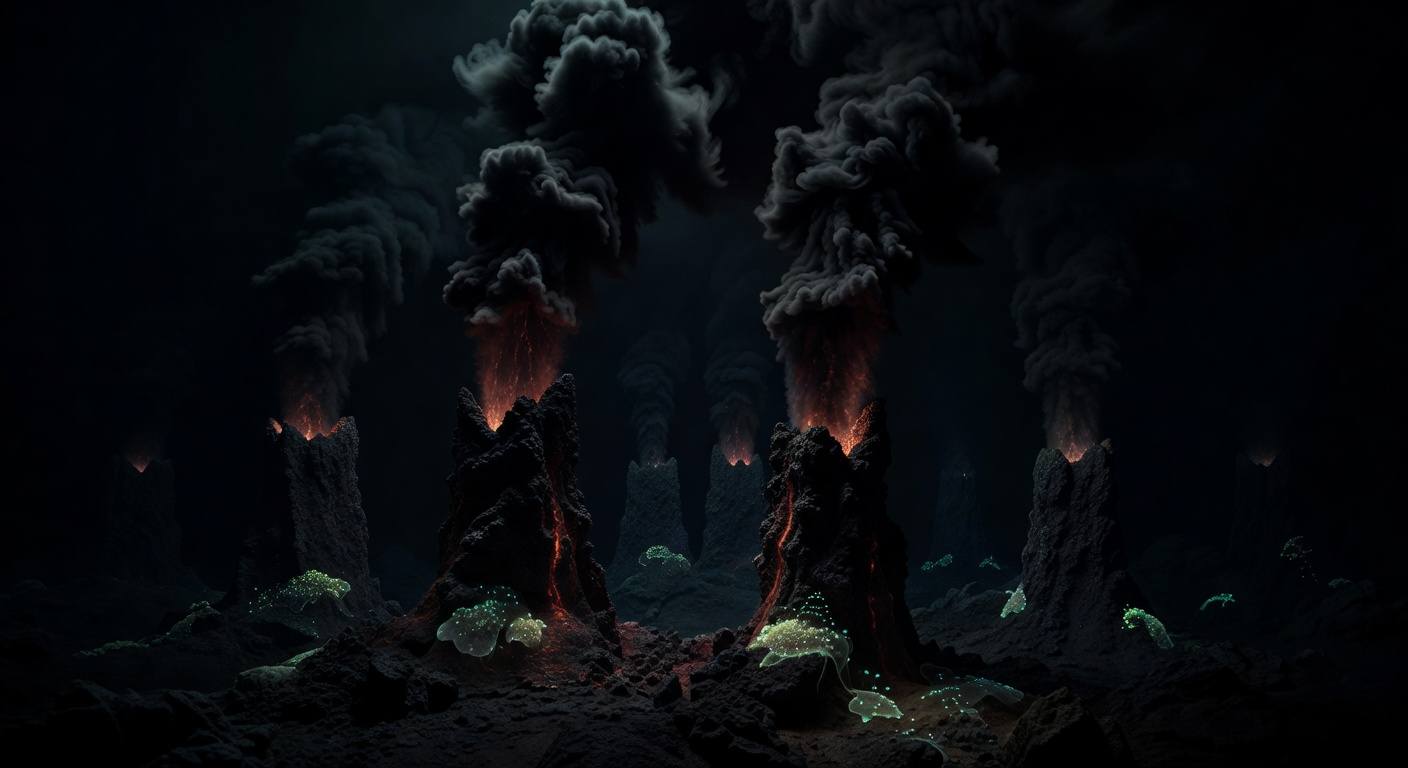
Deep-sea hydrothermal vents
Key Ingredients
Minerals, heat, chemistry
First Life
Simple microbes
Atmosphere
No free oxygen
Significance
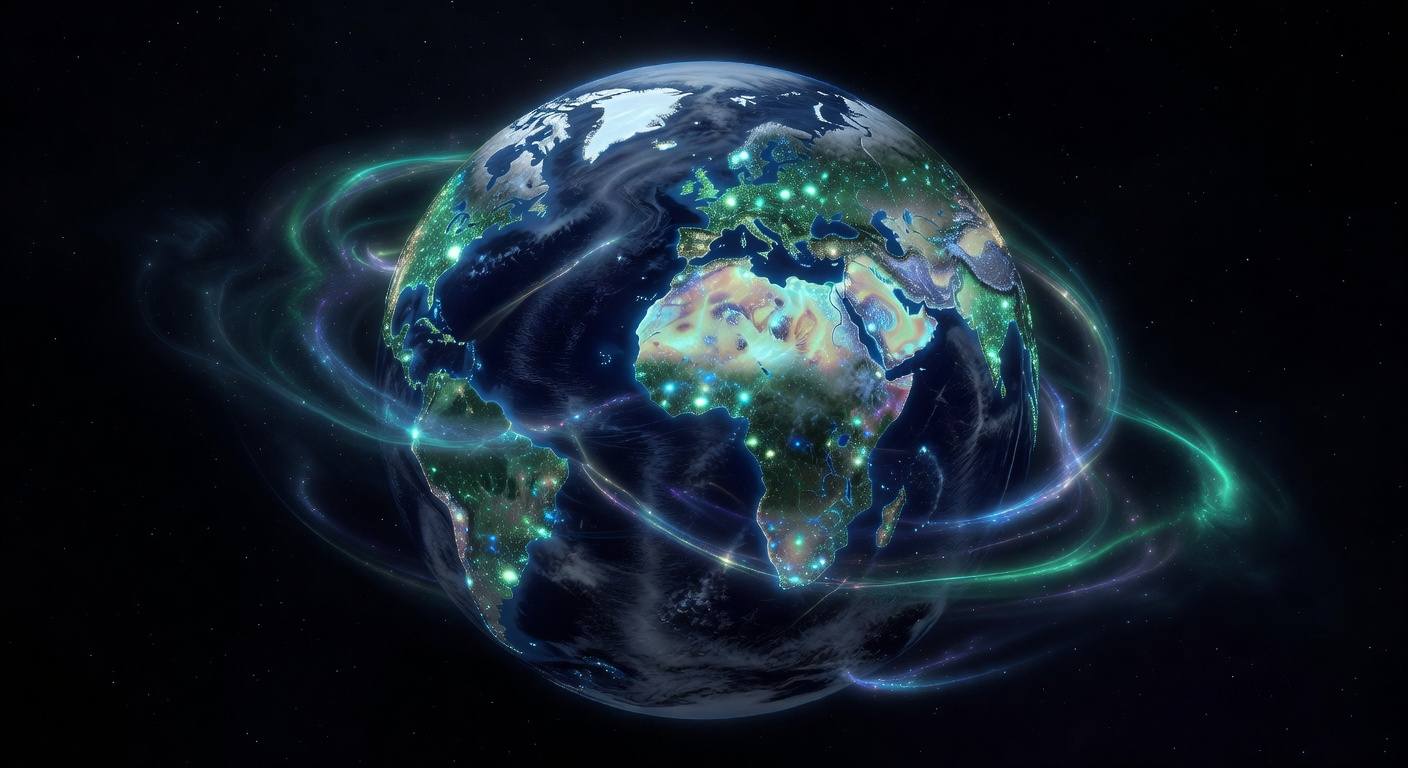
The beginning of Gaia
From chemistry to life
Around 3.8 to 3.5 billion years ago, in the darkness of the deep oceans, simple chemistry began to organize itself into something extraordinary. Around hydrothermal vents, mineral-rich water provided energy and the building blocks for the first self-replicating molecules.
Over time, these molecules became enclosed in membranes. The first cells — the ancestors of all life on Earth — had appeared.
Fascinating Facts
- All life on Earth today shares a common ancestor from this time.
- The first life did not need sunlight or oxygen.
VISUAL RECONSTRUCTION
The first cells
A reconstruction of the environments where life may have first emerged.
Gallery
Origin of Life Timeline
| Time | Development |
|---|---|
| ~4.0–3.8 billion years ago | Earth cools enough for liquid water |
| ~3.8–3.5 billion years ago | First life appears |
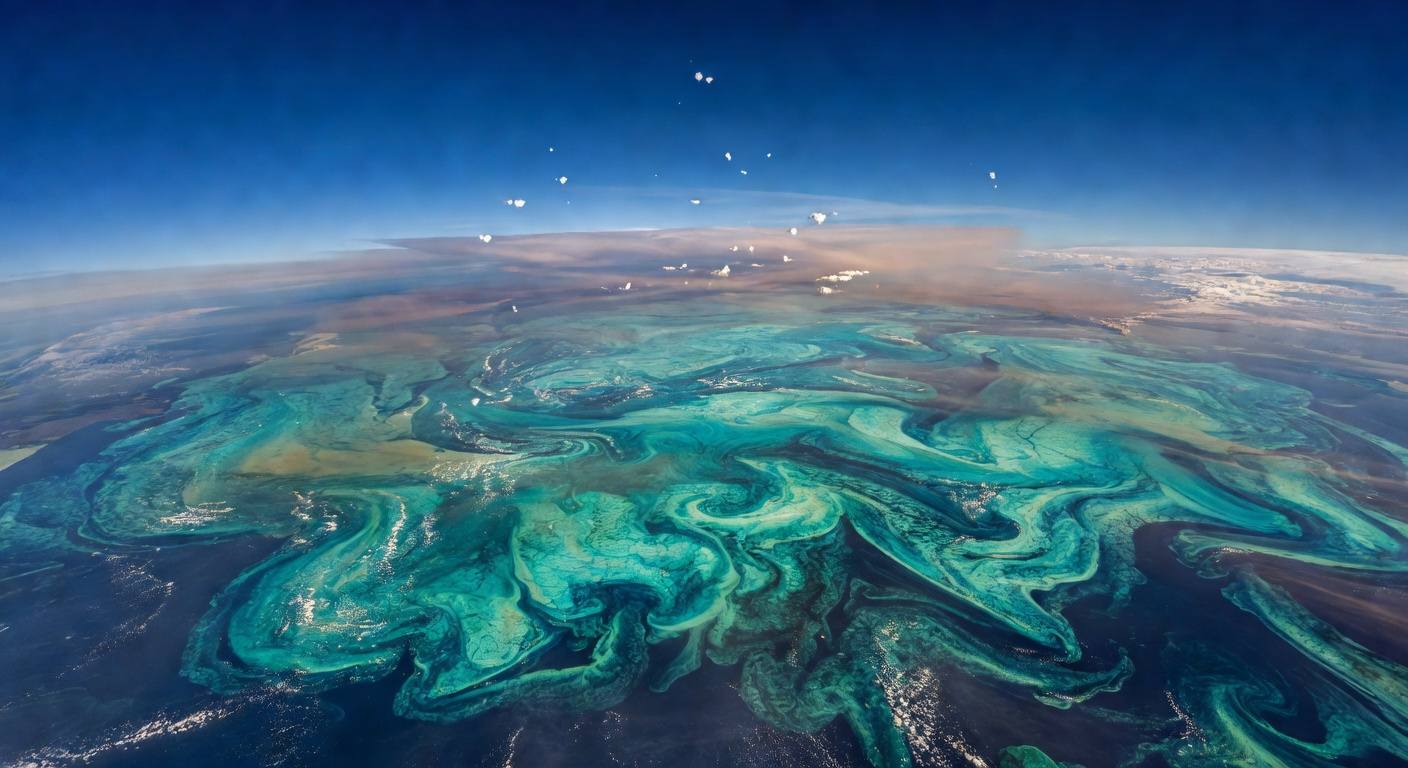
| ~3.5–3.0 billion years ago | Microbial mats form |
| ~3.0 billion years ago onward | Life spreads and diversifies |
Why the Origin of Life Matters
This was the moment the Earth became alive. From these first cells, every plant, animal, and person that has ever existed ultimately descends. Understanding how life began is one of the deepest questions in science — and it marks the true starting point of the Gaia Odyssey.